Imambaras and Gateways of Old Lucknow
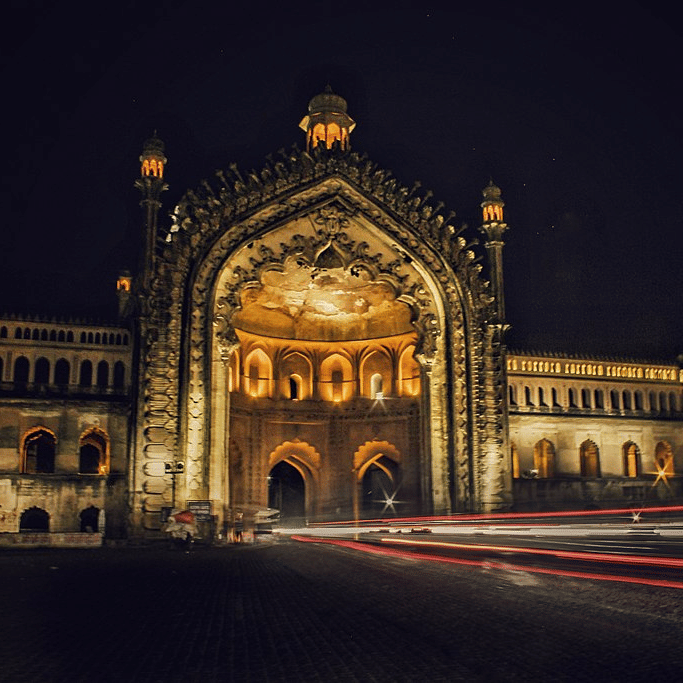
The cluster of monuments in the old city is where most sightseeing places in Lucknow are concentrated, and where the Nawabi era is easiest to read. 3 sights anchor the area, each a short walk from the next.
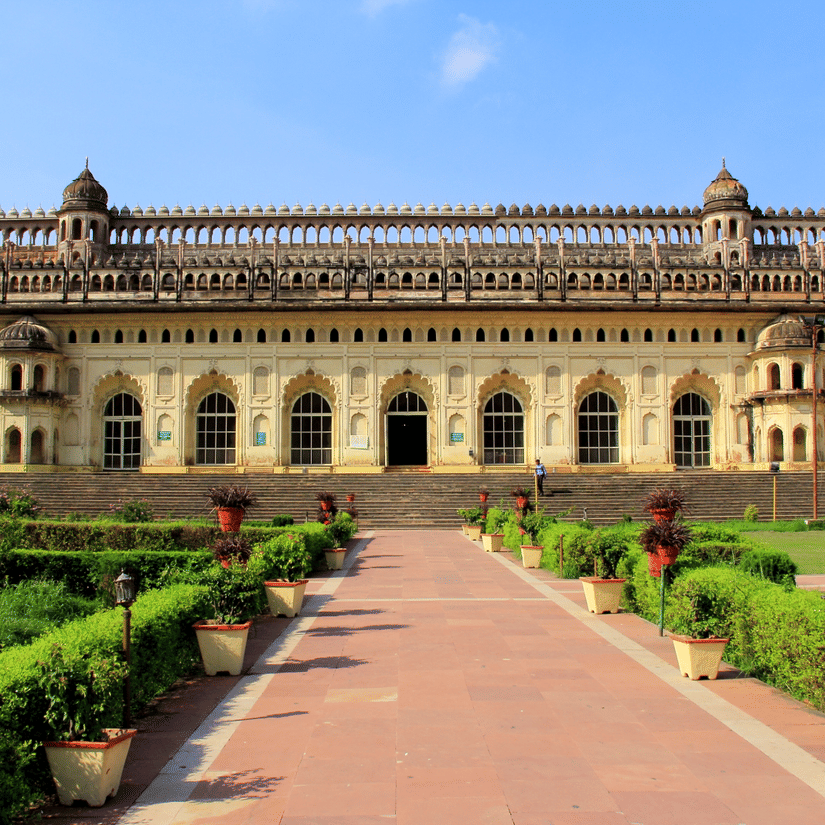
- Bara Imambara: Built by Asaf-ud-Daula in 1784, this Mughal-style complex is famous for the Bhul Bhulaiya, a maze of corridors best explored with a guide
- Chota Imambara: Also called Imambara Hussainabad Mubarak, it was raised by Muhammad Ali Shah in 1838 and is known for its chandeliers and gilded interiors
- Rumi Darwaza: A 60 ft. gateway also built by Asaf-ud-Daula in 1784, modelled on a gate in Istanbul, and one of the most recognised landmarks in the city
Reach this area early in the day, when the light is better, and the corridors stay cool.
Colonial Lucknow: The Residency and Chattar Manzil
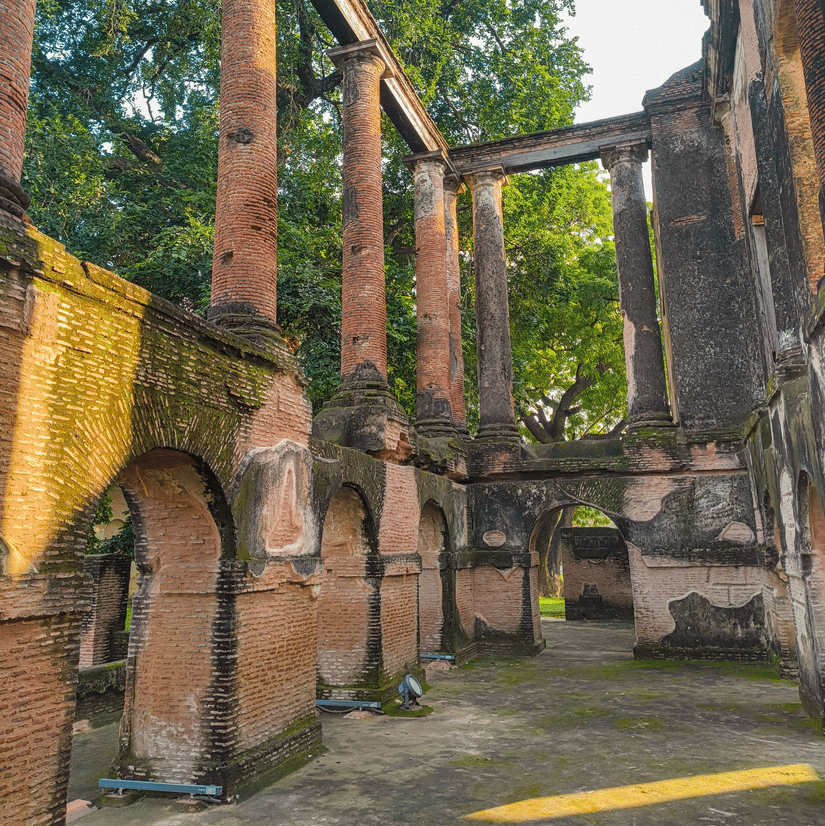
2 of the city's defining sites belong to its colonial and late-Nawabi chapter. The Residency, a group of buildings inside a shared compound, was home to the British Resident at the court of the Nawab and now stands as a preserved ruin in landscaped grounds.
Beside the Gomti, Chattar Manzil, the Umbrella Palace, served as a residence for the Nawabs of Awadh and their households. Walk the Residency grounds first, then follow the river towards Chattar Manzil for a sense of how the city changed across a single century.
Green Spaces for Families and Slow Mornings
After exploring Lucknow's grand monuments, its parks provide a refreshing change of pace. Located in Gomti Nagar, Janeshwar Mishra Park is one of Asia's largest urban parks, spanning around 376 acres of landscaped gardens, lakes, cycling tracks, and wide open green spaces. Inspired by London's Hyde Park, it offers plenty of room to unwind away from the city's busy streets.
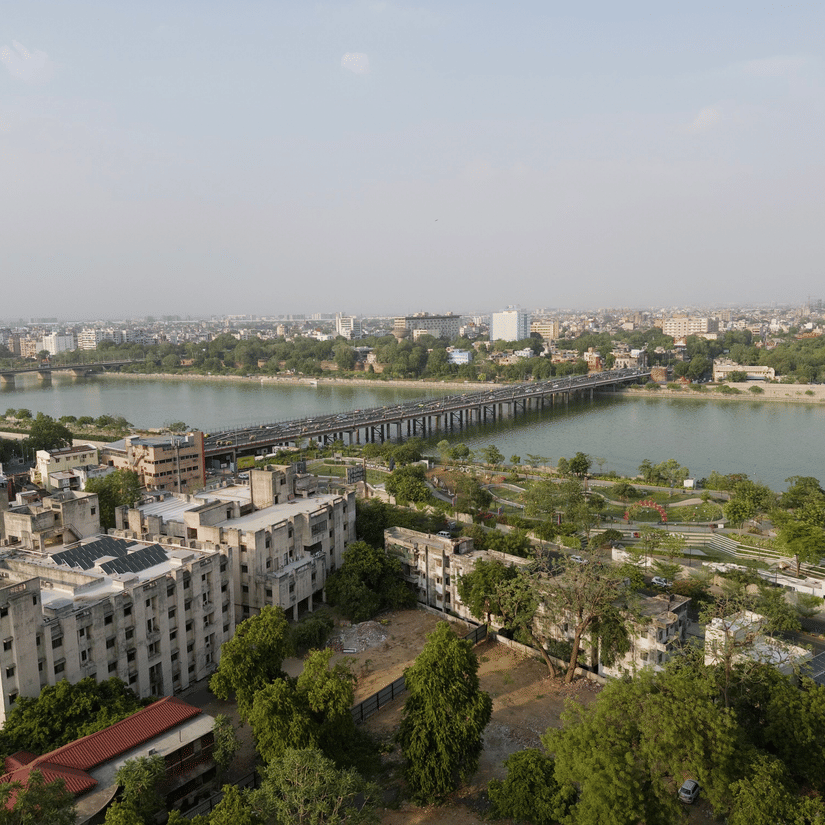
Families visit for boating and picnics, while walkers, joggers, and cyclists make the most of the well-maintained paths, particularly during the cooler hours of the morning. Nearby, the Gomti Riverfront is an equally pleasant spot for an evening stroll, where landscaped promenades and views across the river create a relaxed setting to end the day.
Families visit for boating and picnics, while walkers, joggers, and cyclists make the most of the well-maintained paths, particularly during the cooler hours of the morning. Nearby, the Gomti Riverfront is an equally pleasant spot for an evening stroll, where landscaped promenades and views across the river create a relaxed setting to end the day.

Awadhi Cuisine and the Flavours of Lucknow
No visit to Lucknow is complete without immersing yourself in its legendary culinary scene. The city is synonymous with Awadhi cuisine, where recipes perfected over generations celebrate slow cooking, delicate spices, and remarkable attention to detail. Fragrant Awadhi biryani arrives layered with tender meat and aromatic rice; melt-in-the-mouth galawati kebabs are believed to have been created for a Nawab who could no longer chew, and rich nihari paired with lightly sweet sheermal remains a favourite breakfast for many locals.
The narrow lanes of Chowk are filled with the irresistible aroma of sizzling kebabs, simmering curries, and freshly baked breads, drawing visitors from one bustling eatery to the next. For a more leisurely dining experience, Hazratganj offers elegant restaurants serving both timeless Awadhi classics and contemporary interpretations. If you're wondering where to begin, explore our guide to the food of Lucknow for the city's must-try dishes and the best places to enjoy them.
The narrow lanes of Chowk are filled with the irresistible aroma of sizzling kebabs, simmering curries, and freshly baked breads, drawing visitors from one bustling eatery to the next. For a more leisurely dining experience, Hazratganj offers elegant restaurants serving both timeless Awadhi classics and contemporary interpretations. If you're wondering where to begin, explore our guide to the food of Lucknow for the city's must-try dishes and the best places to enjoy them.
Bazaars and Heritage Walks
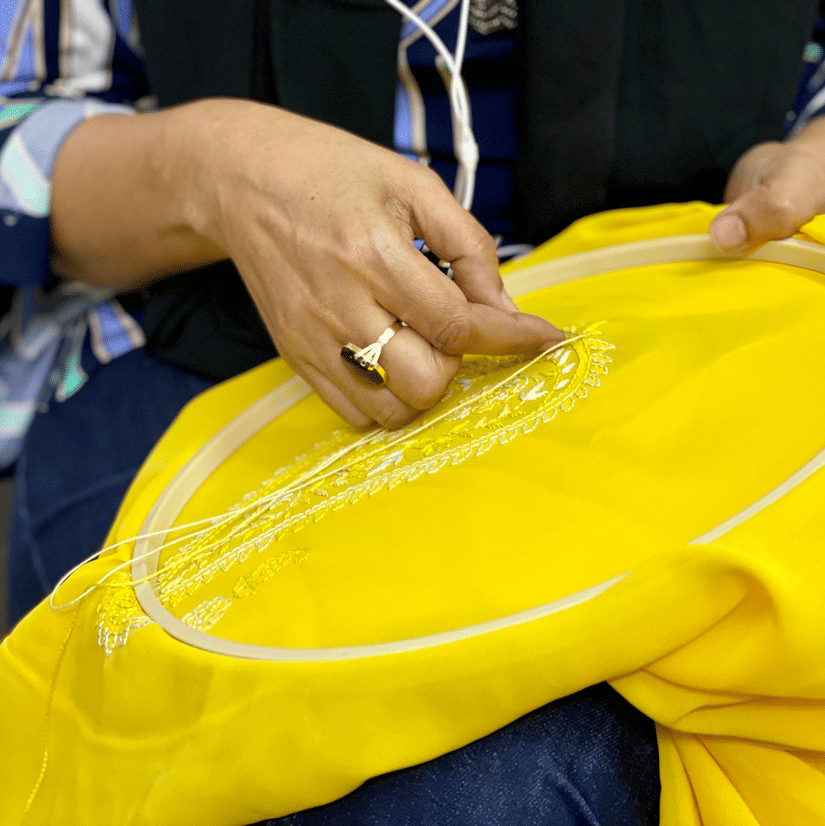
Shopping in Lucknow is itself a heritage experience. The city's bazaars are where chikankari, the fine white-on-white hand embroidery the city is known for, is still stitched and sold.
- Hazratganj: The main shopping district, good for chikankari boutiques, books, and cafes, and an easy stroll from our location
- Aminabad: An older, busier market for traditional clothes, attar perfumes, and street food
- Chowk: The lanes of the old city are best for handmade crafts and a sense of how the bazaars have always worked
Set aside an evening for Hazratganj and a separate slot for Aminabad, since the 2 have very different rhythms. For more on what to buy, see our notes on shopping in Hazratganj and the famous handicrafts of Lucknow.
Best Places to Visit for Every Kind of Traveller
If you have only a weekend, the best places to visit in Lucknow depend on the kind of experience you're looking for. The city splits neatly into interests.
- For families: Let the children explore the fascinating maze of Bara Imambara before slowing the pace with boating, cycling, and open green spaces at Janeshwar Mishra Park
- For couples: Wander hand in hand through the charming streets of Hazratganj, browse its cafés and boutiques, and round off the evening with a leisurely dinner overlooking the city skyline
- For history enthusiasts: Step into Lucknow's storied past at The Residency, then discover the architectural brilliance of Bara Imambara and Chota Imambara, ideally with a knowledgeable local guide to bring their history to life
Build your route around one of these, and the rest of the city falls into place around it.
Best Time to Explore the Tourist Places in Lucknow
I plan your trip for the cooler months. The best window is October to March, when daytime temperatures stay comfortable for walking between monuments and sitting out in the evenings. April to June turns hot and dry, with afternoons better spent indoors, while the July to September monsoon brings humidity and the occasional heavy shower. 2 to 3 days are enough to see the main sights without rushing, with a half day kept aside for shopping and a long meal.
Getting Around the City: Local Travel Tips
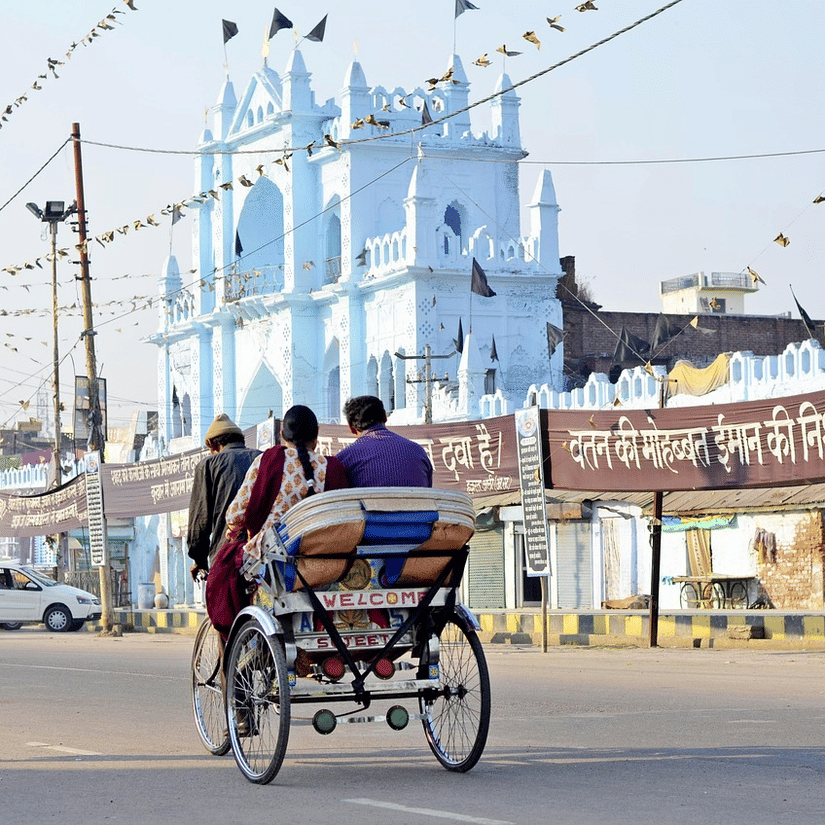
Getting between the sights is straightforward, and most of the heritage core is close enough to cover on foot or by short rides.
- Autos and app cabs: The easiest way to hop between monuments; agree on a fare or use the meter
- Metro: Useful for longer hops, with a line running through the city centre
- On foot: The old city around the Imambaras and the lanes of Chowk are best walked
Where to Stay: Clarks Avadh in the Heart of Hazratganj
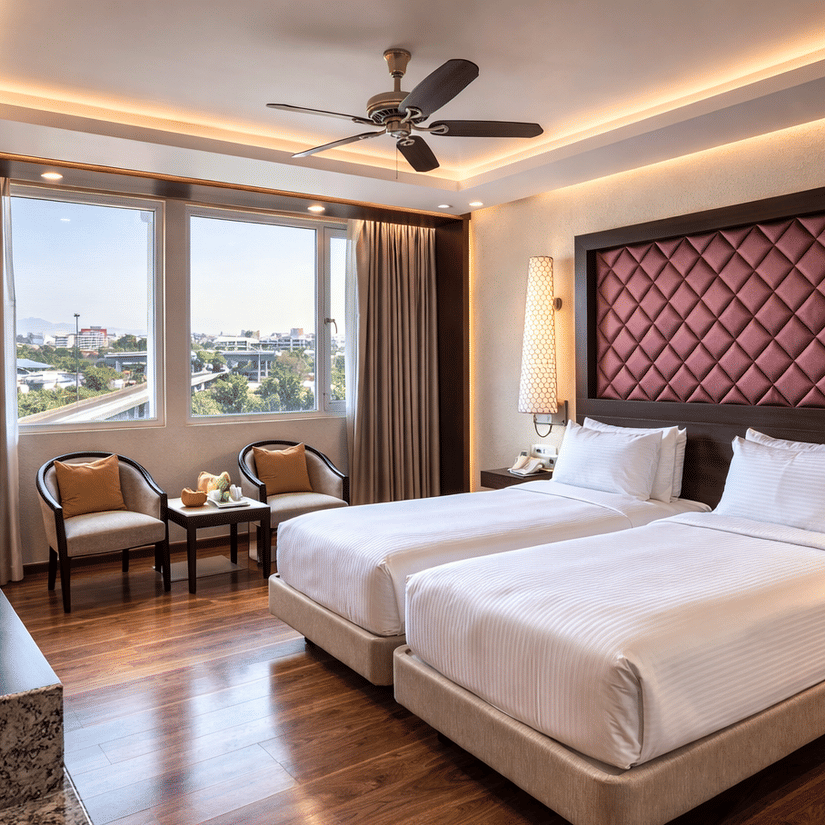
Whether you're visiting Lucknow for its heritage, cuisine, or culture, Clarks Avadh offers an ideal base in the heart of the city on Mahatma Gandhi Marg in Hazratganj. As Lucknow's first and oldest 5-star hotel, it places you within easy reach of iconic attractions such as Bara Imambara, Chota Imambara, The Residency, Chattar Manzil, and the Gomti Riverfront, while the city's popular shopping and dining district is just a short walk away.
After a day spent exploring historic monuments and bustling bazaars, return to the comfort of Clarks Avadh to unwind with a refreshing swim or a leisurely meal at the rooftop restaurant. Browse our rooms and plan a stay that lets you experience the very best of Lucknow with ease.