Why the Monument Rewards History and Architecture Lovers
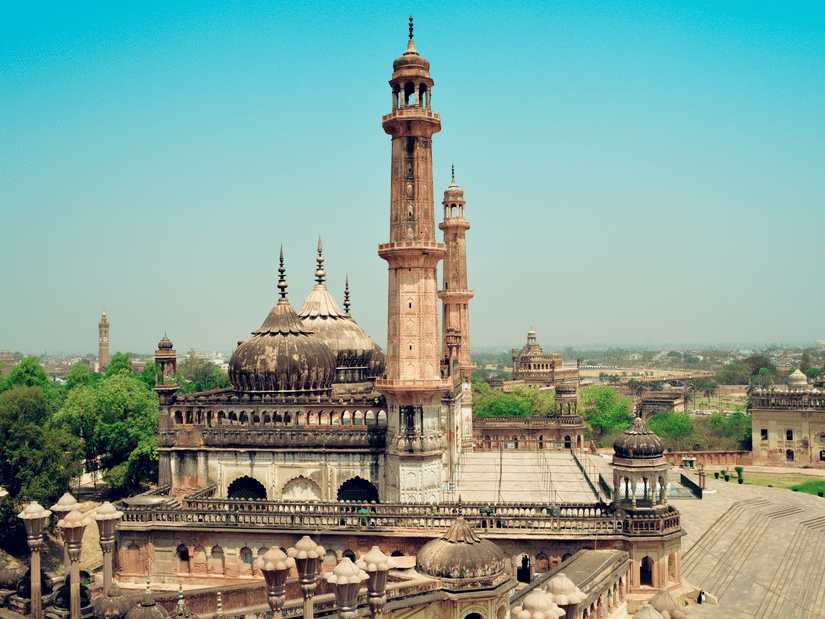
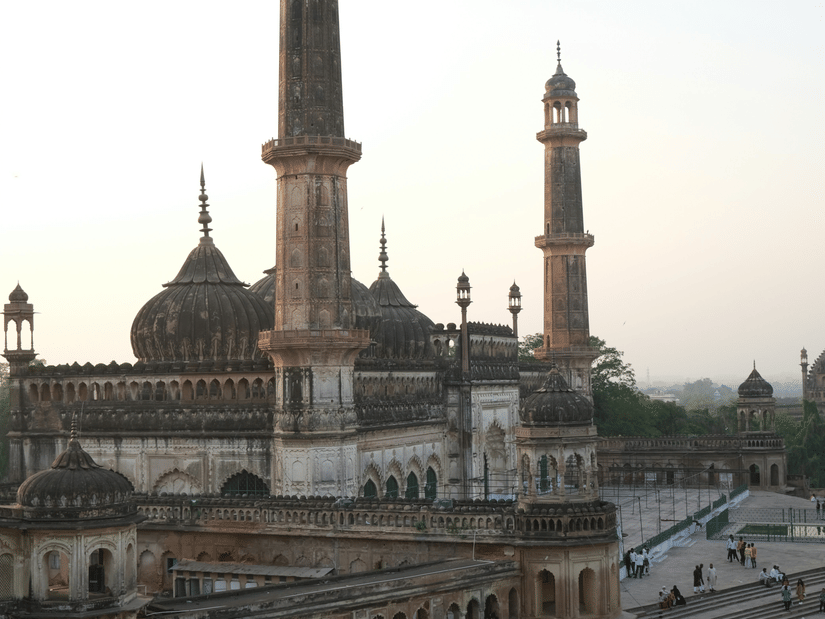
Few landmarks pair social conscience with structural daring quite like this one. Asaf-ud-Daula commissioned the project during a punishing famine, choosing to employ thousands for years rather than hand out alms, so every wall carries a story of survival. For the architecture-minded, the draw is the engineering: a hall that stands through balance alone, and a maze designed into the very fabric of the roof. For the history-minded, it opens a window onto Awadh at its cultural peak. You leave understanding exactly why Lucknow still calls itself the city of Nawabs.
A Hall Built Without a Single Beam
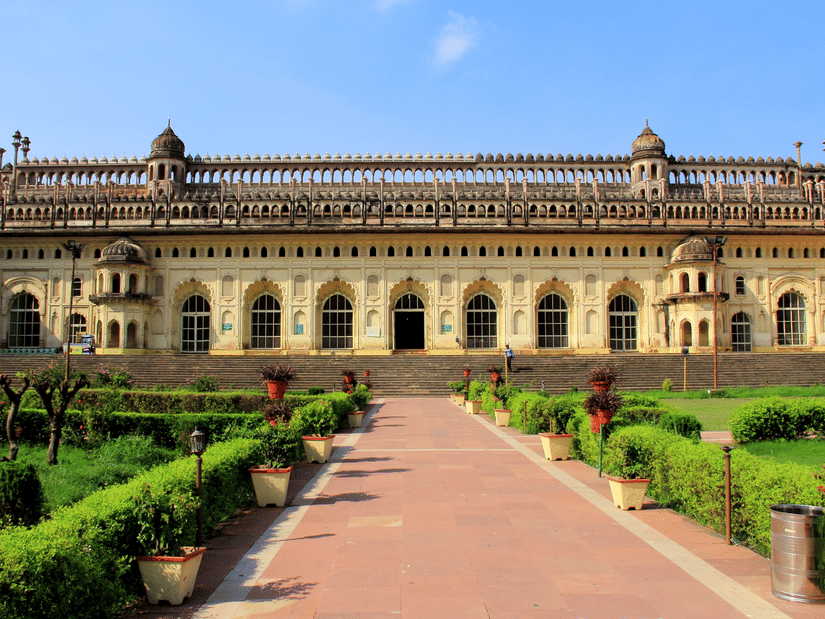
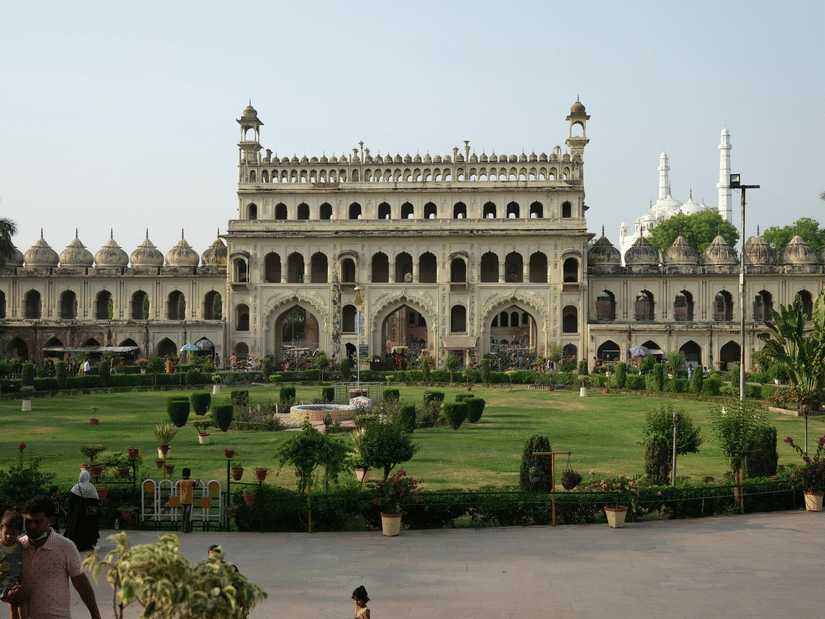
The central hall is the reason engineers still study this place. Nothing holds its ceiling up but the surrounding walls and a vaulted web of interlocking bricks set in lime mortar, with no iron, timber, or external pillars anywhere. The design folds Mughal and Awadhi sensibilities into something quietly radical for its age, and thick walls keep the interior cool through Lucknow's fierce summers.
- Beamless Central Hall: Roughly 50 m long, 16 m wide, and over 15 m high, it ranks among the largest unsupported vaulted halls anywhere.
- Interlocking Brickwork: Lime, mortar, and balance carry the entire load, a method that avoided iron and wood almost completely.
- Mughal and Awadhi Design: Arches, vaults, and careful acoustics mark the last great phase of pre-European Indian building.
Getting Lost in the Bhool Bhulaiya
Above the chambers sits the Bhool Bhulaiya, a three-dimensional maze woven into the structure of the roof. Close to 489 identical doorways open onto narrow, interlinked passages, and local lore insists there are 1,024 ways in but only 2 ways out. The corridors were never built for fun; they exist to lighten the ceiling's weight, which is why the maze and the beamless hall are really one idea expressed twice. Climbing through is the highlight of most visits, ending on a rooftop with a sweeping view over the old city. Go with an authorised guide. People genuinely lose their bearings in here, and the guides know the echo points and shortcuts that turn confusion into delight.
The Stepwell Hidden Within the Complex
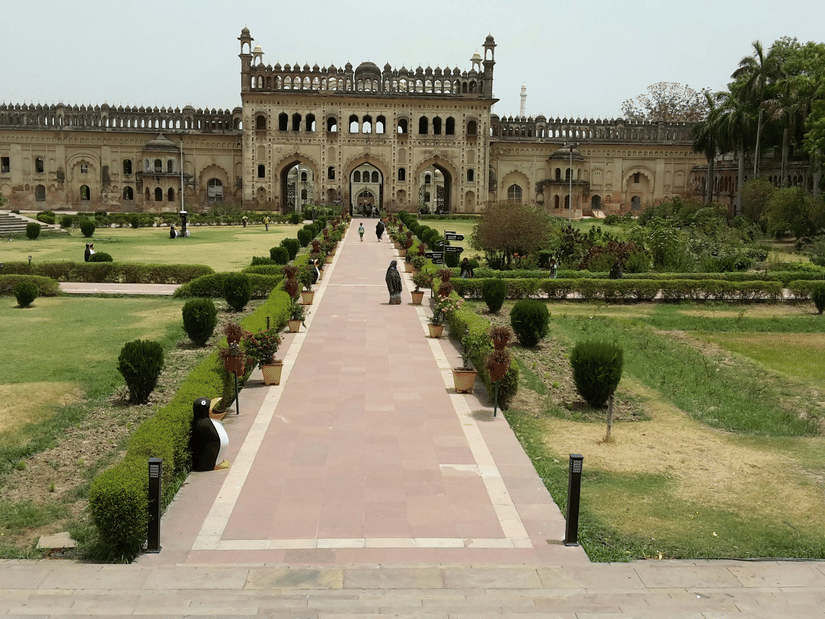
Set into the grounds is the Shahi Baoli, a multi-level stepwell linked to the Gomti River that once supplied the complex with water. Only the upper levels sit above the waterline, while the rest stay submerged throughout the year. Its placement was both practical and clever, cooling the air and storing water, and tales of buried treasure and secret tunnels have clung to it for generations. Pause here on the way to or from the maze. The light on the water and the cool air rising from the lower steps make it one of the quieter pleasures of the visit.
Plan Your Visit
A relaxed visit runs two to three hours, longer if you linger on the terrace or explore the mosque and stepwell. The complex sits in the Hussainabad quarter of old Lucknow, an easy drive from the city centre. Wear shoes you can slip off easily at the entrance, carry water in summer, and set aside real time for the maze rather than rushing it.
- Bara Imambara Timings: Generally open daily from 6:00 AM - 5:00 PM, though hours shift during Muharram and major religious events, so confirm locally before you set out.
- Bara Imambara Tickets: A combined ticket costs about 50 INR for Indian visitors and 500 INR for foreign nationals, usually covering Chota Imambara and the picture gallery, with small extra charges for photography.
- Best Time to Visit: October to March, early in the morning, when the light is soft and the heat and crowds stay manageable.
What to See near Bara Imambar
The finest part of the trip is how the rest of old Lucknow opens up the moment you step outside the gates. Three stops sit within easy reach and pair naturally with your time at the monument.
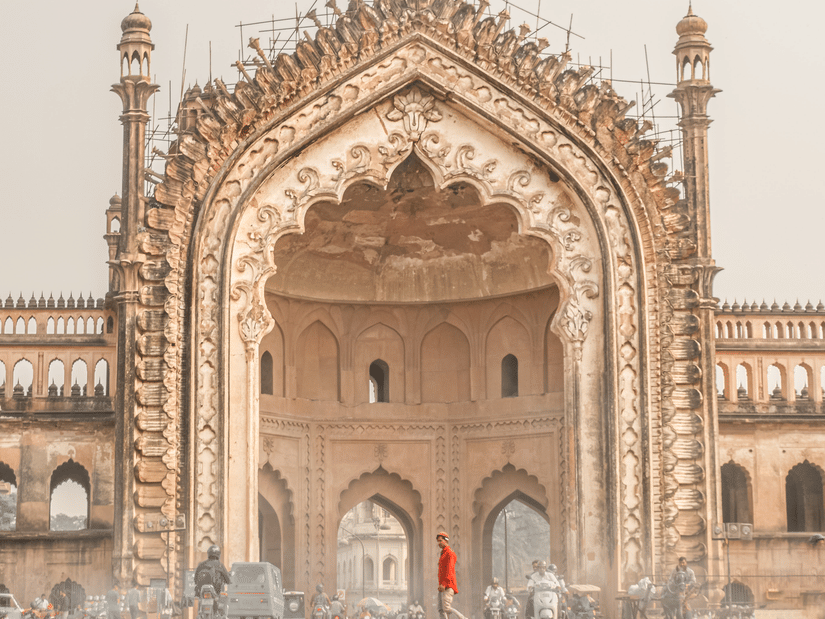
- Rumi Darwaza: A 60 ft ceremonial gateway beside the complex, modelled on the great gates of Istanbul and lit beautifully after dark.
- Chota Imambara: A short hop away, this gilded hall is often called the most ornate building in the city, especially when illuminated.
- Markets and Food Streets: The lanes around Hussainabad and Chowk serve Lucknow's famous kebabs, kulfi, and chaat, the city of Nawabs at its most delicious.
A Heritage Base in the Heart of Lucknow
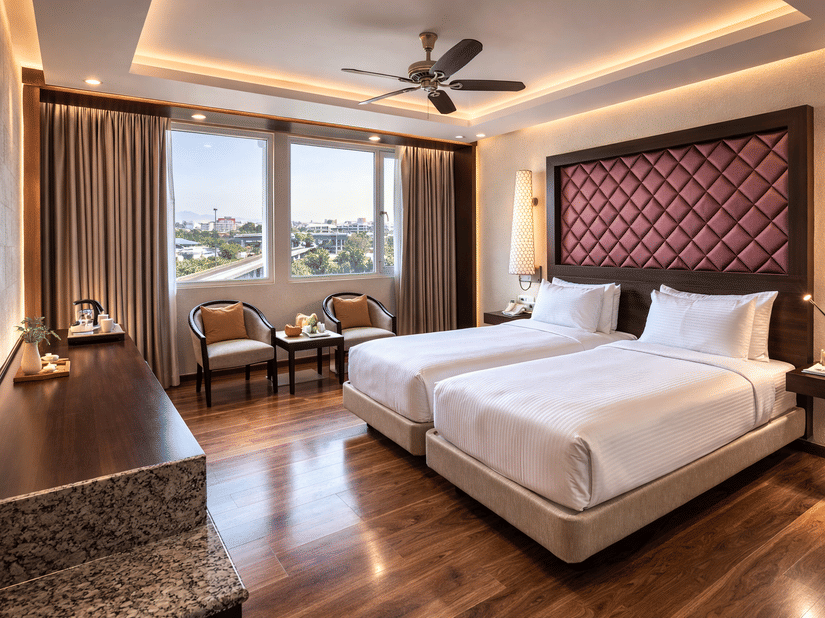
If you are mapping a heritage trail through the city, staying central changes everything, and the hotel sits about as close to the action as a base can be. Clarks Avadh is Lucknow's first 5-star hotel, set on Mahatma Gandhi Marg in Hazratganj along the Gomti River. For travellers building a day around Lucknow's heritage attractions, it makes a well-placed home for the trip.
- Steps from the Heritage Circuit: A short drive from Bara Imambara and the old-city monuments, so mornings start without a long commute.
- Central Connectivity: The location keeps the airport, the railway station, and Hazratganj's shopping within easy reach.
- A Welcome Reset: After the maze and the markets, our rooftop restaurant and quietly comfortable rooms make the end of the day as easy as the start.