Lucknow is known as the City of Nawabs, a name rooted in the city’s transformation under the Nawabs of Awadh. When Asaf-ud-Daulah shifted the capital from Faizabad to Lucknow in 1775, the city became a major centre of architecture, arts, music, cuisine, and refined social customs. That legacy still shapes how visitors experience Lucknow today, from its grand monuments and Awadhi kitchens to chikankari workshops and the courtesies of Lucknowi tehzeeb.
Lucknow at a Glance
| Quick Fact | Detail |
|---|---|
| City | Lucknow |
| State | Uttar Pradesh |
| Historic Region | Awadh |
| Nawabi Capital | Lucknow became the capital of Awadh in 1775 |
| Known for | Nawabi architecture, tehzeeb, Awadhi cuisine, chikankari, and traditional crafts |
Who Were the Nawabs of Lucknow?
The Nawabi story begins with Saadat Khan, who became the first Nawab of Awadh in the early 18th century. His successors strengthened Awadh as a powerful regional state, while Lucknow later emerged as its cultural and political centre. Shuja-ud-Daula succeeded Saadat Khan, and Asaf-ud-Daulah became one of the most influential figures in Lucknow’s history.
Asaf-ud-Daulah moved the capital to Lucknow in 1775, setting the stage for an era of ambitious building and cultural patronage. The city developed celebrated monuments, artistic traditions, music, poetry, and courtly customs during the Nawabi period. Later rulers continued this patronage, although the political power of Awadh changed significantly under British influence before the state was annexed in 1856.
From Royal Courts to Lucknowi Tehzeeb
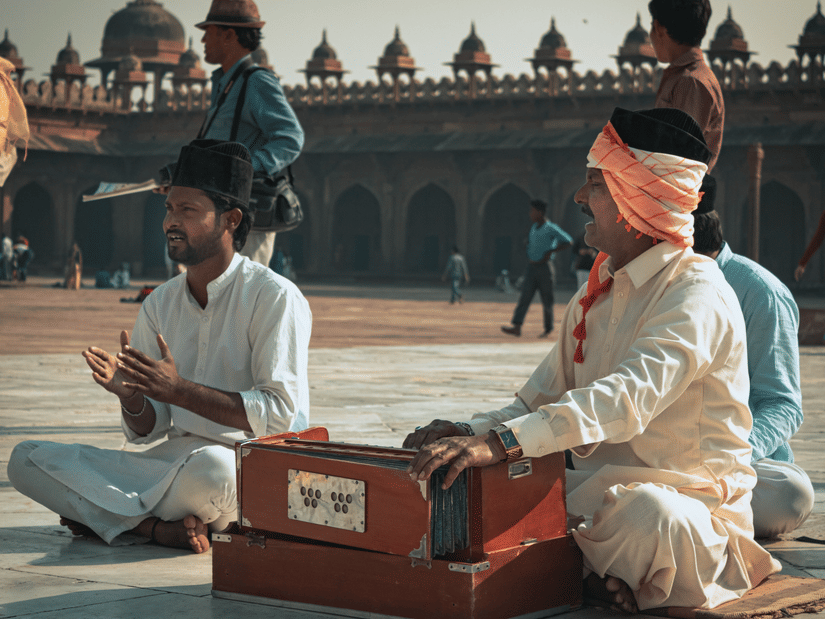
The culture of Lucknow is closely associated with tehzeeb, a tradition of courtesy, refinement, and gracious conduct. Its influence can be seen in language, hospitality, poetry, music, and everyday social interactions. Urdu became an important part of the city’s literary and cultural life, while courtly patronage supported musicians, poets, artisans, and performers.
Lucknow culture also developed beyond royal courts. Chowk became known for artisans, weavers, food, and traditional commerce, helping many crafts and customs remain part of everyday life. For travellers, this makes the city’s cultural identity as much about conversation and craftsmanship as it is about monuments.
Architecture that Defines the City of Nawabs
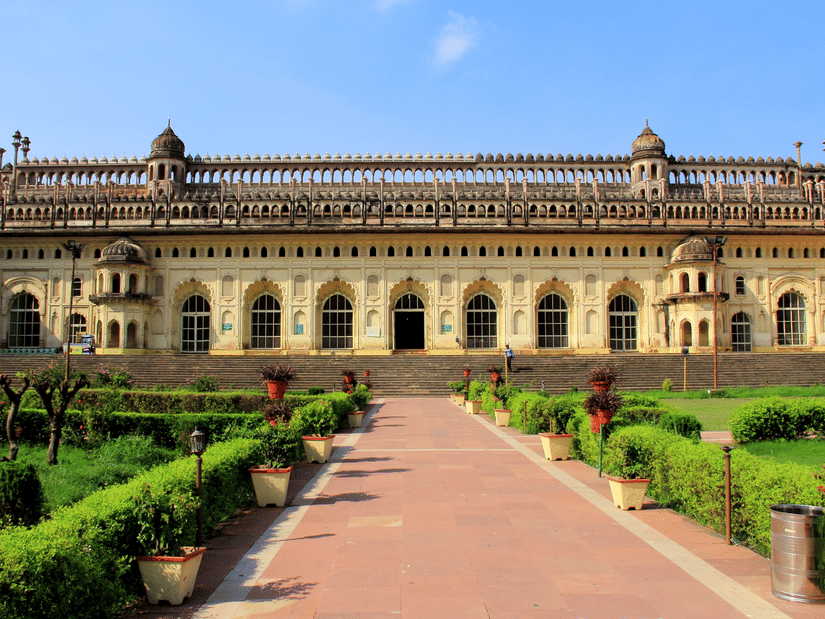
Lucknow’s Nawabi legacy is written into its skyline. Monumental gateways, imambaras, mosques, palaces, and civic structures reflect the ambitions of the period and the architectural influences that shaped Awadh.
- Bara Imambara: Built by Asaf-ud-Daulah in 1785, this major complex is known for its grand central hall and distinctive construction
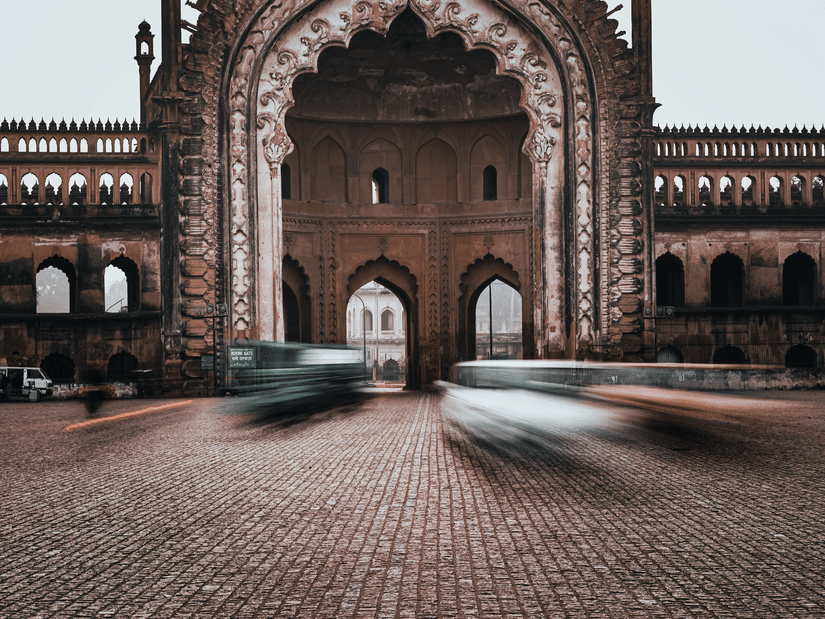
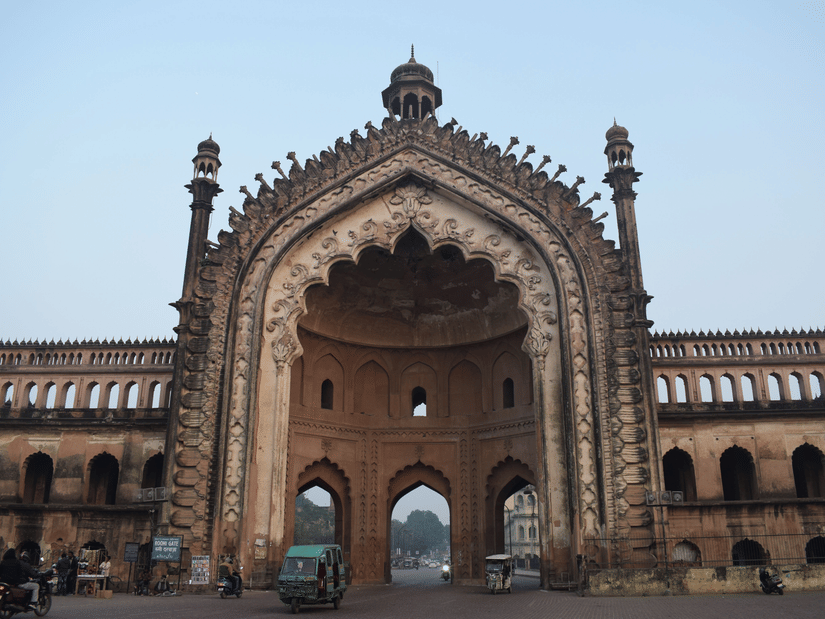
- Rumi Darwaza: An ornate gateway associated with Asaf-ud-Daulah’s building programme and one of Lucknow’s best-known landmarks
- Chota Imambara: A celebrated 19th-century complex associated with Muhammad Ali Shah, the third Nawab of Awadh
- Hussainabad Clock Tower: Completed in 1881 and part of the historic Hussainabad area
- Residency: A major site connected to the 1857 uprising and an important part of Lucknow’s later colonial history
Each landmark tells a different chapter of the city’s story. Together, they show how Nawabi patronage, religious architecture, civic buildings, and later historical events shaped modern Lucknow.
Flavours Born in Awadhi Kitchens
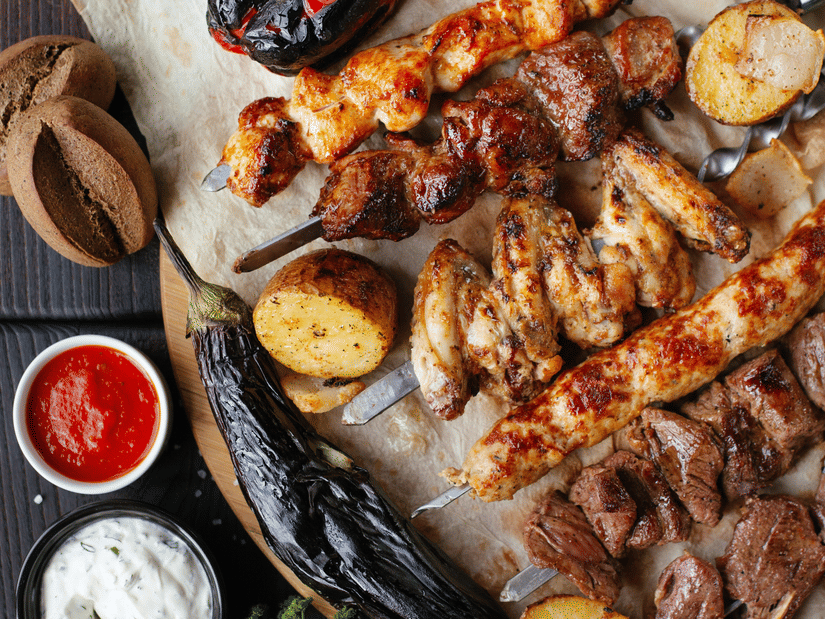
Awadhi cuisine is another lasting expression of the city’s royal past. Slow cooking, carefully balanced spices, tender meats, and elaborate preparation became hallmarks of the region’s culinary tradition. Lucknow is particularly associated with kebabs and biryani, with galouti and boti kebabs among the dishes visitors commonly seek out.
Food was also part of the wider culture of hospitality. Royal kitchens developed dishes and techniques for courtly dining, while cooks, servers, and artisans contributed to the presentation of meals. Today, Awadhi food can be explored through traditional eateries, markets, and restaurants across the city.
Chikankari and the Crafts of Lucknow
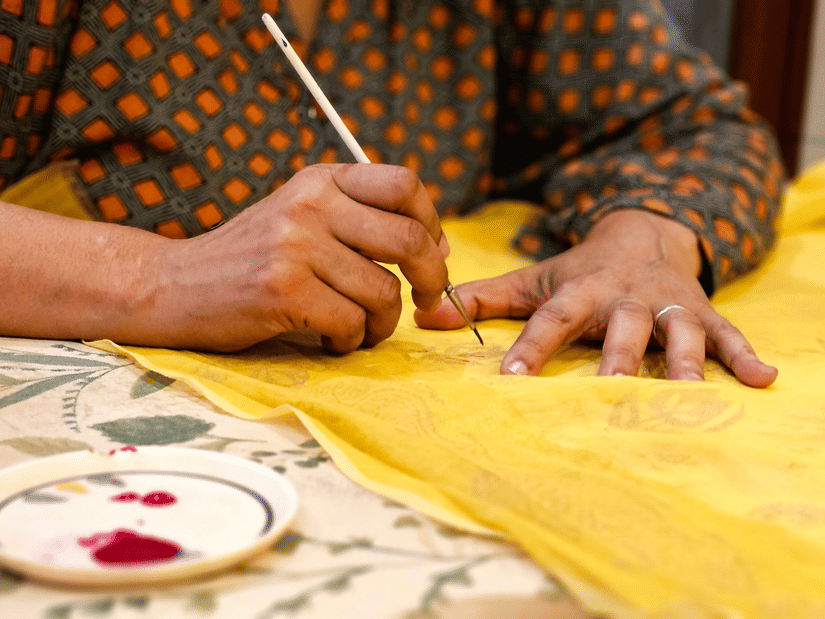
Chikankari is one of Lucknow’s most recognisable crafts. The delicate embroidery is traditionally worked by hand and appears on garments and textiles in intricate floral and decorative patterns. The craft has become an important part of the city’s shopping culture and continues to support skilled artisans.
Visitors can also encounter traditional attar, textiles, jewellery, and other handicrafts while exploring older commercial areas. Chowk, Aminabad, Nakhas, and Hazratganj offer different shopping experiences, from craft-led markets to established retail streets.
Explore Lucknow Through its Stories
A useful way to explore the city is to treat its landmarks, food, and crafts as connected chapters rather than separate attractions. Start with Bara Imambara and Rumi Darwaza, continue towards the Residency and Hussainabad Clock Tower, then make time for Awadhi food and traditional shopping. The city’s individual attractions deserve their own deeper guides, making this article a starting point for planning a fuller Lucknow itinerary.
For attraction-specific planning, explore our guides to Rumi Darwaza, Bara Imambara, the Residency, and Hussainabad Clock Tower. You can also continue with our guides to Food of Lucknow, Famous Handicrafts, and Shopping in Hazratganj.
Begin Your Lucknow Experience Here
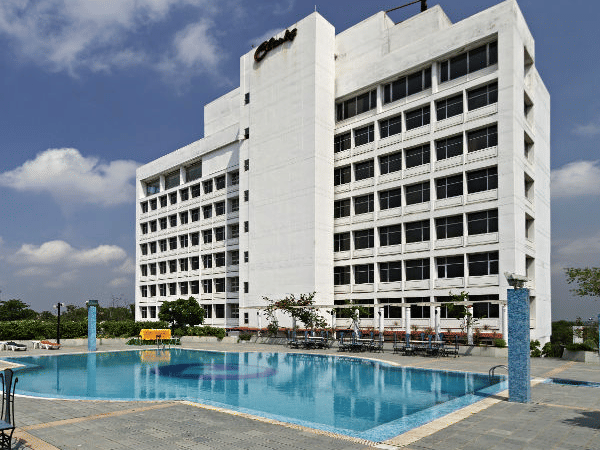
Clarks Avadh, Lucknow sits on Mahatma Gandhi Marg in Hazratganj, close to the Gomti River and within easy reach of several major city landmarks. Our hotel is near Bara Imambara, Chota Imambara, Chattar Manzil, and Hazratganj, making it practical to combine sightseeing with time in the city’s historic and commercial districts.
Our hotel also gives guests several ways to continue the Lucknow experience on property. Falaknuma serves Awadhi cuisine from its rooftop setting, while Birendra Mahal offers multi-cuisine dining, and Zolocrust is a 24-hour vegetarian cafe. A swimming pool, gym, Wi-Fi, and a range of indoor and outdoor event spaces add useful facilities for both leisure and business stays.
The Nawabi Influence in Everyday Lucknow
The City of Nawabs is not defined by its monuments alone. Lucknow’s Nawabi legacy lives on through tehzeeb, Awadhi cuisine, chikankari, traditional crafts, music, and the city’s distinctive way of welcoming visitors. Exploring these threads together offers a fuller understanding of how the Nawabi period shaped Lucknow and why its influence remains visible today.
Frequently Asked Questions (FAQs)
Why is Lucknow called the City of Nawabs?
Lucknow is known as the City of Nawabs because it became the capital of Awadh under the Nawabs in 1775. Their patronage shaped the city’s architecture, arts, cuisine, music, and social customs.
Who was the first Nawab of Awadh?
Saadat Khan was the first Nawab of Awadh. His successors strengthened Awadh as a regional power, with Lucknow later becoming its cultural and political centre.
When did Lucknow become the capital of Awadh?
Lucknow became the capital of Awadh in 1775, when Asaf-ud-Daulah shifted the capital from Faizabad.
What is Lucknowi tehzeeb?
Lucknowi tehzeeb refers to the city’s tradition of courtesy, refinement, and gracious conduct. It is reflected in language, hospitality, poetry, music, and everyday interactions.
What are the famous Nawabi monuments in Lucknow?
Bara Imambara, Rumi Darwaza, Chota Imambara, and the Hussainabad Clock Tower are among Lucknow’s best-known landmarks associated with its historic legacy. The Residency is also an important historical site connected with the 1857 uprising.
What is Lucknow famous for besides its monuments?
Lucknow is known for Awadhi cuisine, chikankari, traditional crafts, music, poetry, and its distinctive culture of tehzeeb. These continue to shape the city’s identity today.
What is chikankari famous for?
Chikankari is a delicate hand-embroidery craft associated with Lucknow. It is known for intricate floral and decorative patterns worked on garments and textiles.
Where can I shop for traditional crafts in Lucknow?
Chowk, Aminabad, Nakhas, and Hazratganj offer different shopping experiences, including chikankari, textiles, attar, jewellery, and other traditional crafts.
What is Awadhi cuisine known for?
Awadhi cuisine is associated with slow cooking, balanced spices, tender meats, and elaborate preparation. Lucknow is particularly known for dishes such as galouti and boti kebabs and biryani.
Lucknow is known as the City of Nawabs because it became the capital of Awadh under the Nawabs in 1775. Their patronage shaped the city’s architecture, arts, cuisine, music, and social customs.
Who was the first Nawab of Awadh?
Saadat Khan was the first Nawab of Awadh. His successors strengthened Awadh as a regional power, with Lucknow later becoming its cultural and political centre.
When did Lucknow become the capital of Awadh?
Lucknow became the capital of Awadh in 1775, when Asaf-ud-Daulah shifted the capital from Faizabad.
What is Lucknowi tehzeeb?
Lucknowi tehzeeb refers to the city’s tradition of courtesy, refinement, and gracious conduct. It is reflected in language, hospitality, poetry, music, and everyday interactions.
What are the famous Nawabi monuments in Lucknow?
Bara Imambara, Rumi Darwaza, Chota Imambara, and the Hussainabad Clock Tower are among Lucknow’s best-known landmarks associated with its historic legacy. The Residency is also an important historical site connected with the 1857 uprising.
What is Lucknow famous for besides its monuments?
Lucknow is known for Awadhi cuisine, chikankari, traditional crafts, music, poetry, and its distinctive culture of tehzeeb. These continue to shape the city’s identity today.
What is chikankari famous for?
Chikankari is a delicate hand-embroidery craft associated with Lucknow. It is known for intricate floral and decorative patterns worked on garments and textiles.
Where can I shop for traditional crafts in Lucknow?
Chowk, Aminabad, Nakhas, and Hazratganj offer different shopping experiences, including chikankari, textiles, attar, jewellery, and other traditional crafts.
What is Awadhi cuisine known for?
Awadhi cuisine is associated with slow cooking, balanced spices, tender meats, and elaborate preparation. Lucknow is particularly known for dishes such as galouti and boti kebabs and biryani.