History of The Residency and the Nawabs Who Built It
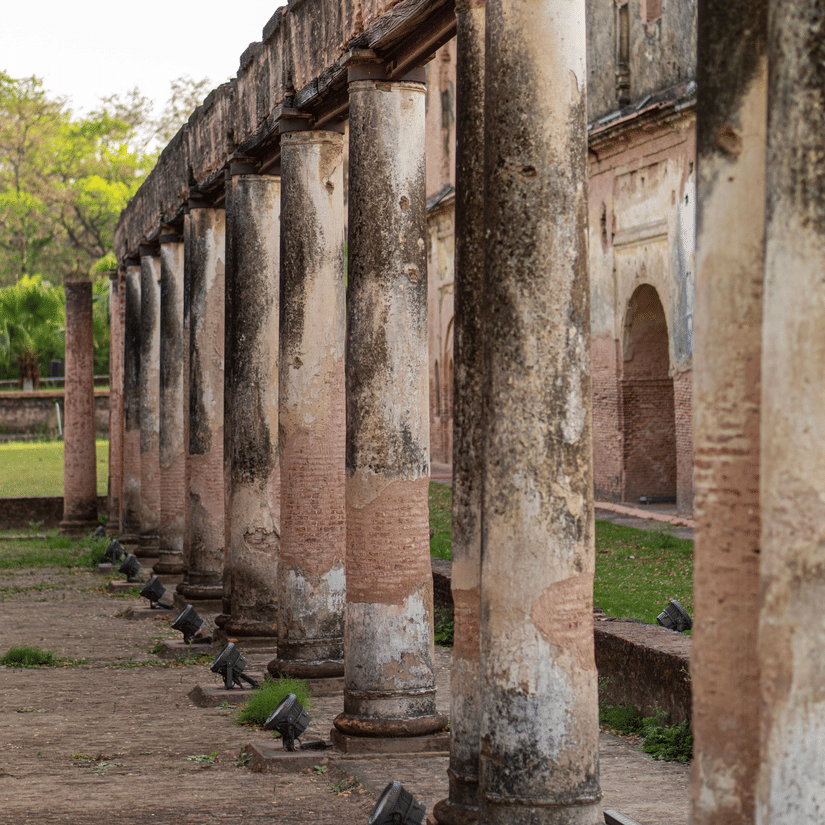
The Residency was commissioned during the reign of Nawab Asaf-ud-Daula and completed under Nawab Saadat Ali Khan II between 1780 and 1800. Built as the residence of the British Resident in the Nawab's court, the structure combined practical design features with architectural elegance.
The original complex featured wide verandahs that reduced heat, a flagstaff tower, and underground chambers known as tehkhanas. These underground rooms remained naturally cool during summer, providing relief from Lucknow's intense temperatures throughout much of the year.
Over the following decades, the Residency expanded into a sprawling compound containing more than 25 buildings serving different purposes. The complex included residential quarters, a banquet hall, treasury, armoury, stables, church, and several administrative structures.
By the mid-19th century, the Residency had evolved into a self-contained administrative and residential enclave beside the Gomti River. Its growing importance reflected the expanding British presence in Awadh, making it a key political centre.
The original complex featured wide verandahs that reduced heat, a flagstaff tower, and underground chambers known as tehkhanas. These underground rooms remained naturally cool during summer, providing relief from Lucknow's intense temperatures throughout much of the year.
Over the following decades, the Residency expanded into a sprawling compound containing more than 25 buildings serving different purposes. The complex included residential quarters, a banquet hall, treasury, armoury, stables, church, and several administrative structures.
By the mid-19th century, the Residency had evolved into a self-contained administrative and residential enclave beside the Gomti River. Its growing importance reflected the expanding British presence in Awadh, making it a key political centre.
How the Residency Became the Centre of the 1857 Siege
When the uprising of 1857 reached Lucknow, the British Residency became the final refuge for soldiers, officers, and civilians. Sir Henry Lawrence, the Chief Commissioner of Awadh, ordered residents into the compound and strengthened its defences. The siege began on 1 July 1857 and continued until 17 November, bringing months of bombardment, disease, and shortages. Thousands of people remained trapped within the Residency as fierce fighting unfolded across the city.
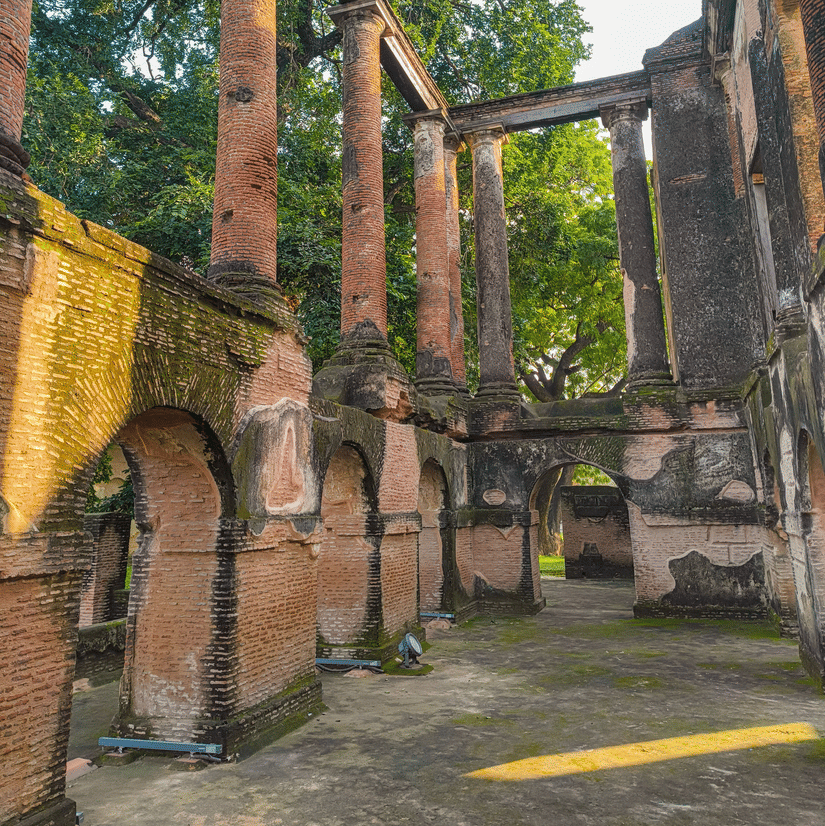
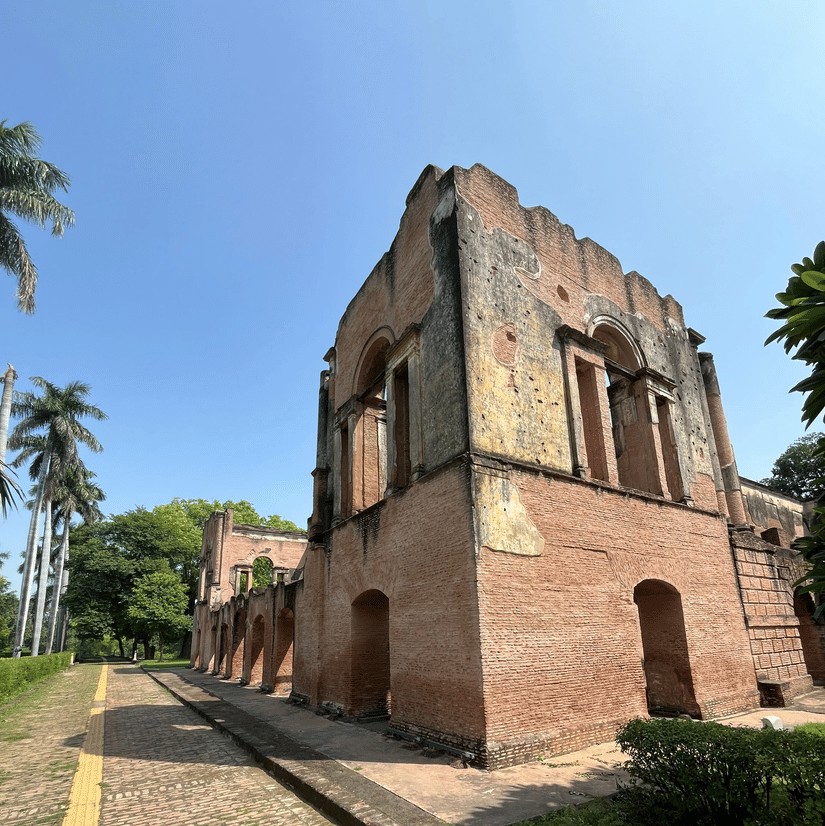
Lawrence was mortally wounded by a shell on 2 July 1857 and died 2 days later during the siege. He was buried within the compound cemetery, where his grave remains one of the site's most significant landmarks. The Residency suffered extensive damage during the conflict, with many buildings reduced to ruins by artillery fire.
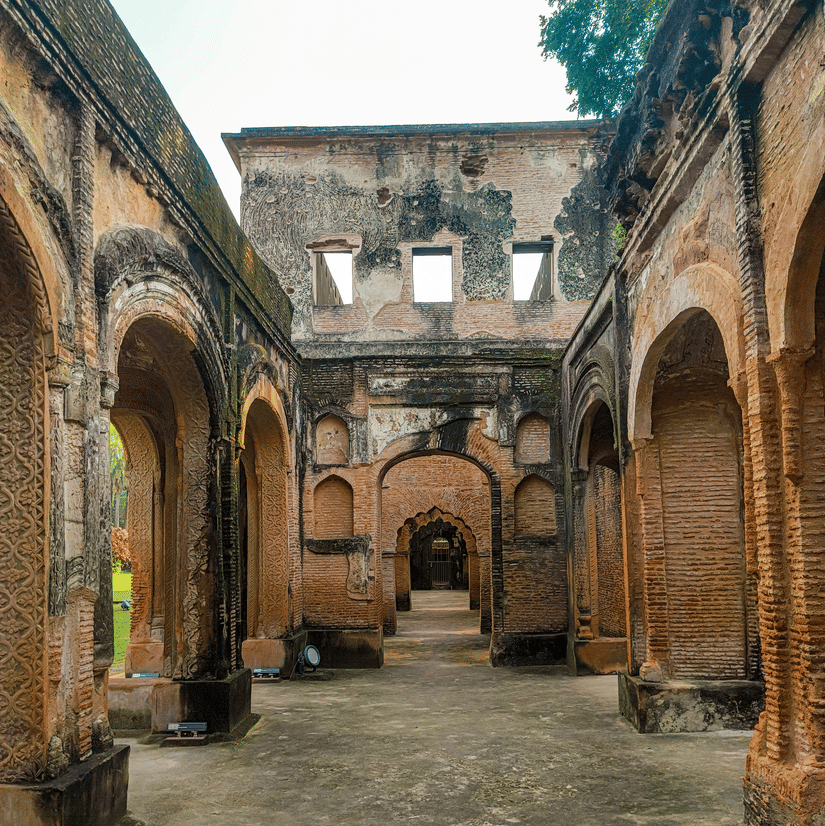
Much of the complex has been preserved in its damaged state, allowing visitors to witness visible reminders of the siege. Cannonball marks, shattered walls, and damaged facades continue to reflect the scale of one of India's defining historical events.
Important Sites to Explore at the Residency
- Bailey Guard Gate: The main entry point during the 1857 siege, still standing with visible battle damage across its facade.
- Banquet Hall: Once the social centre of the compound, now a roofless shell with cannonball marks on its walls.
- Dr Fayrer's House: One of the Residency's best-preserved ruins, it served as a hospital and defensive post during the siege. A plaque marks the site where Sir Henry Lawrence spent his final hours.
- Begum Kothi: A residential quarter within the complex, its crumbling walls still outlining the original layout.
- Mosque and Imambara: The only 2 structures built in traditional Awadhi architectural style, commissioned by Ashrafunnisa.
- Church and Cemetery: The ruined church sits beside a cemetery holding the graves of those who died during the siege, including Lawrence's.
Exploring the Galleries of the 1857 Memorial Museum
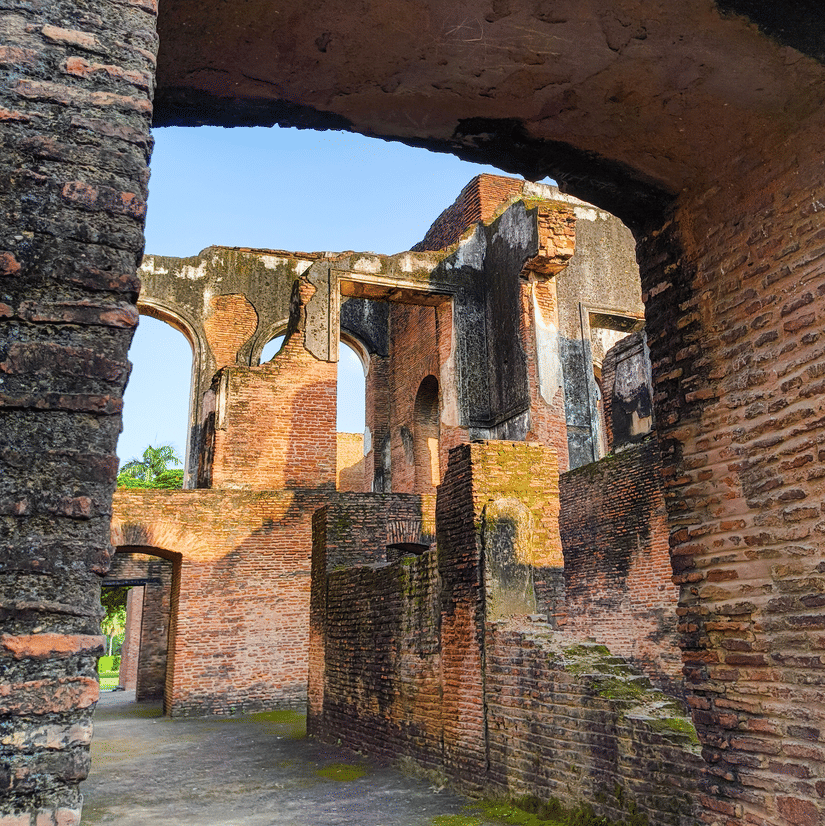
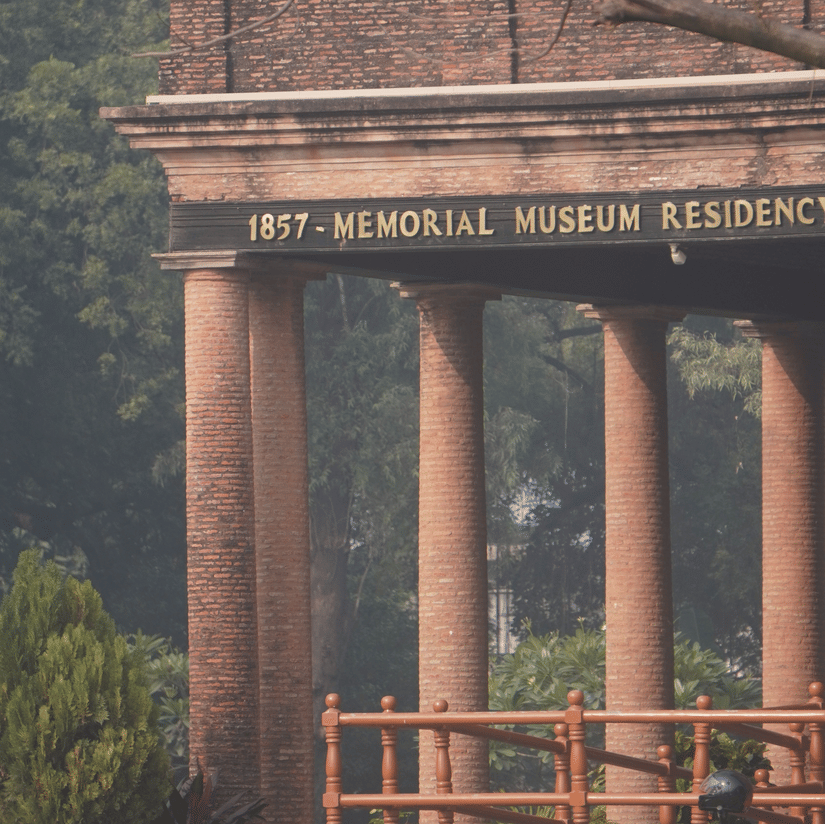
The Residency complex in Lucknow houses the 1857 Memorial Museum, which occupies one of the battle-scarred buildings and traces the uprising through 11 chronological galleries. The exhibits move from pre-siege Lucknow through the months of fighting to the broader independence movement that followed.
Key Exhibits at the Residency Museum
- Pre-Siege Complex Model: A large-scale layout model of the original Residency complex prior to its destruction in 1857
- Period Lithographs: Works by C H Mecham and G F Atkinson showing the Residency before and after the siege, drawn on location during the colonial period
- Sir Henry Lawrence Gallery: High-relief sculptures of Lawrence and Miss Susanna Palmer, displayed in the room where both were killed
- Battle Dioramas: Scale recreations of the fighting at Alambagh and Sikanderbagh, with translites depicting siege scenes
- Weaponry Collection: Cannonballs, swords, shields, rifles, and musical instruments recovered from the siege period
What It Feels Like to Walk Through the Residency
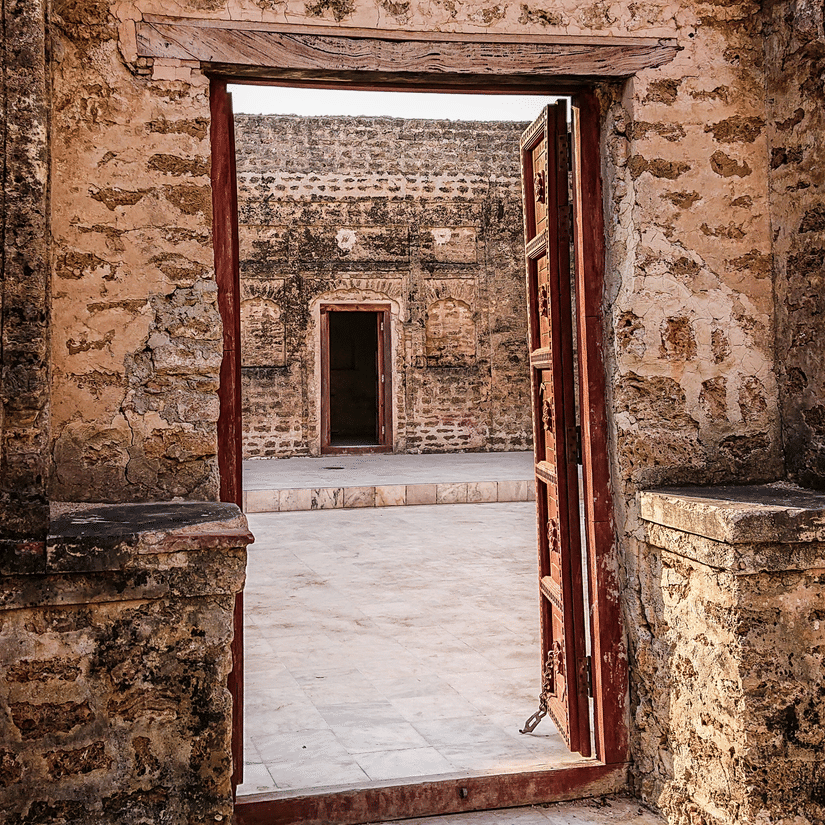
The visit begins at the Bailey Guard Gate, the same entrance that was barricaded during the siege. Past the gate, a gravel pathway leads through the compound, with ruined buildings rising on either side.
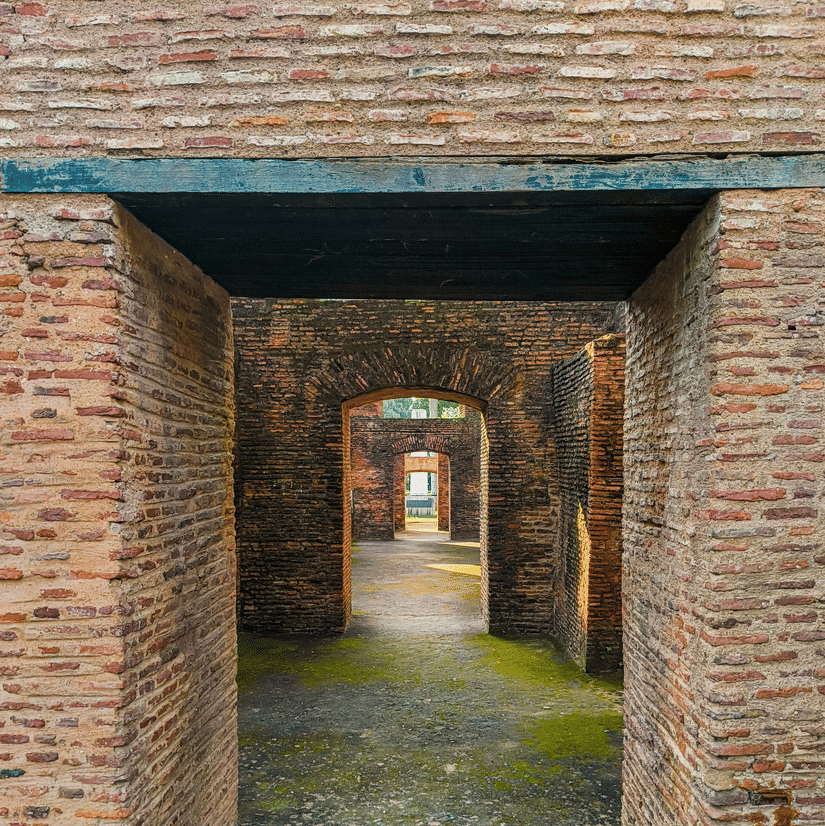
The sheer scale of the complex only becomes clear once you step inside. More than 25 structures are spread across acres of landscaped grounds, including the grand roofless Banquet Hall and the former Treasury. Each building is marked with ASI signage that explains its role during the siege and the events that unfolded within its walls.
The cemetery is the quietest section, rows of weathered graves under old trees, many belonging to soldiers and civilians who did not survive the 5-month siege. The full weight of Residency, Lucknow, history only registers when you stand inside these ruins, where bullet holes in the walls, missing roofs, and crumbling staircases remain exactly as they were left.
As dusk falls, the somber silence shifts into a storytelling experience. A light and sound show runs in the evenings, projecting the history of the uprising and the rich heritage of Awadh directly onto the battle-scarred facades of the buildings themselves.
The sheer scale of the complex only becomes clear once you step inside. More than 25 structures are spread across acres of landscaped grounds, including the grand roofless Banquet Hall and the former Treasury. Each building is marked with ASI signage that explains its role during the siege and the events that unfolded within its walls.
The cemetery is the quietest section, rows of weathered graves under old trees, many belonging to soldiers and civilians who did not survive the 5-month siege. The full weight of Residency, Lucknow, history only registers when you stand inside these ruins, where bullet holes in the walls, missing roofs, and crumbling staircases remain exactly as they were left.
As dusk falls, the somber silence shifts into a storytelling experience. A light and sound show runs in the evenings, projecting the history of the uprising and the rich heritage of Awadh directly onto the battle-scarred facades of the buildings themselves.
Timings, Museum Hours, and Entry Fee of The Residency, Lucknow
- The Residency, Lucknow, Timings: Open daily from 10:00 AM to 5:00 PM, except Mondays.
- Museum Timings: Open from 10:00 AM to 5:00 PM and closed on Mondays.
- Residency Entry Fee: INR 25 for Indian nationals and INR 300 for foreign nationals.
- Museum Entry Fee: INR 15 for Indian nationals and INR 200 for foreign nationals.
- Light and Sound Show Timings: Held from 6:30 PM to 7:30 PM.
- Light and Sound Show Ticket Price: INR 100 per person. The show is currently available only in Hindi.
- Best Time to Visit: October to March, when average daytime temperatures range between 23°C and 30°C, making it comfortable to explore the open-air ruins.
- Recommended Duration: Set aside 2 to 3 hours to comfortably explore the ruins, museum, and cemetery.
From Lucknow Airport and Charbagh Station to the Residency Gates
The Residency, Lucknow, sits in the historic Qaisar Bagh area, right in the heart of the city and just a short distance from the bustling Hazratganj commercial hub. It is one of the most well-connected spots in Lucknow. Both the airport and the main railway station are a straightforward drive away, and virtually all cab drivers and auto-rickshaw operators know the monument by name without needing navigation.
Nearest Travel Hubs
- Chaudhary Charan Singh International Airport: Approximately 16 km from the Residency, taking around 50 minutes via NH 230 and NH 731.
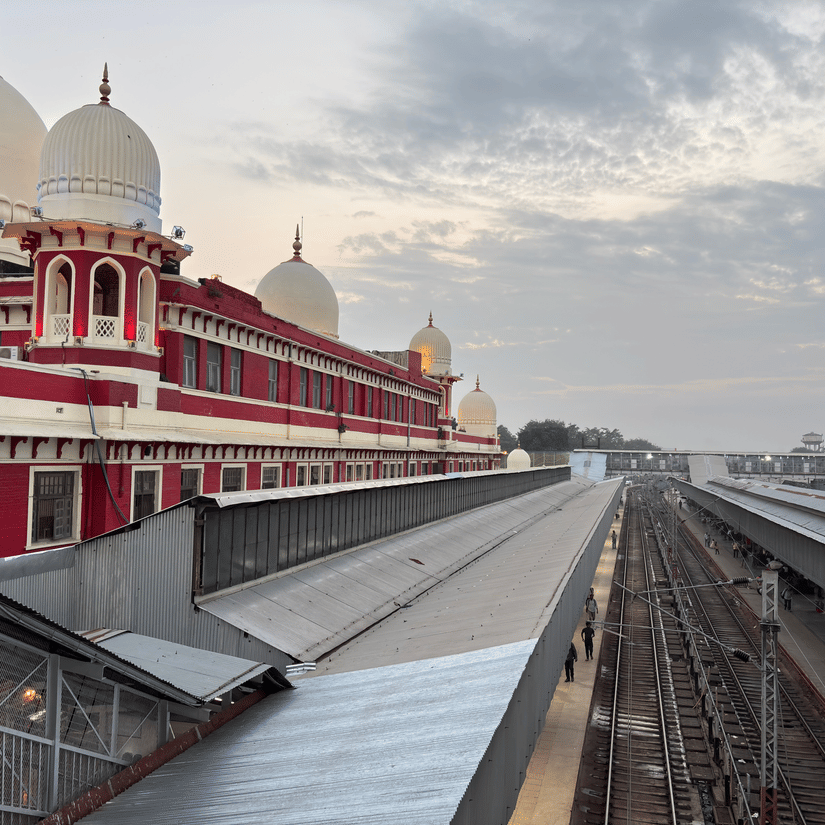
- Lucknow Charbagh Railway Station: Approximately 4 km away, taking around 23 minutes via Gautam Buddha Marg and Latouche Road.
Local Navigation Tip: If you are using the Lucknow Metro, the nearest stations are K. D. Singh Babu Stadium or Hazratganj, both of which are just a short 5-minute auto-rickshaw or e-rickshaw ride from the main entrance gate.
What to Carry and When to Arrive at the Residency Complex
- Arrive Early in the Morning: The complex is mostly open-air, and Lucknow's heat builds sharply after 11:00 AM between April and September. Morning visits are cooler and less crowded.
- Carry Water and Sun Protection: Shade is limited across the compound, and the nearest shops are outside the main gate.
- Check for the Light and Sound Show: An evening show projects the siege story onto the ruins. Confirm locally whether it is running, as schedules change by season.
- Pair with Nearby Heritage Sites: Bara Imambara, Chota Imambara, and Rumi Darwaza are all a short drive from the Residency. A full-day heritage walk starting here and ending at Hazratganj market covers Lucknow's most significant Nawabi-era landmarks.
Pro-Tip for the Day: If you plan to follow up your Residency visit with the nearby Imambaras, remember to carry a scarf or handkerchief to cover your head, and wear easy-to-slip-off shoes, as both are required to enter those sacred halls.
Clarks Avadh: The Perfect Prelude to Lucknow's Architectural Splendour
A landmark in Lucknow's hospitality landscape and the city's first 5-star hotel, Clarks Avadh has welcomed generations of travellers into a world of timeless elegance. Nestled in the heart of Hazratganj, the hotel enjoys a distinguished address from which the city's most treasured landmarks unfold with effortless ease.
The storied corridors of The Residency, the architectural splendour of Bara Imambara and Chota Imambara, and the vibrant promenades of Hazratganj lie just moments away, inviting guests to discover the many layers of the City of Nawabs.
Thoughtfully designed accommodations offer a sanctuary of comfort and refinement after a day spent exploring Lucknow's rich cultural tapestry. Across seven categories of rooms and suites, every stay is complemented by warm hospitality and a sense of understated luxury that has defined Clarks Avadh for decades.
As dusk settles over the city, Falaknuma beckons with panoramic views of Lucknow's glittering skyline and a menu that celebrates the enduring legacy of Awadhi cuisine. At Birendra Mahal, culinary traditions from India and across the world are presented with equal finesse, creating memorable dining experiences at any hour of the day.