Gangaur: Jaipur's Own Spring Festival
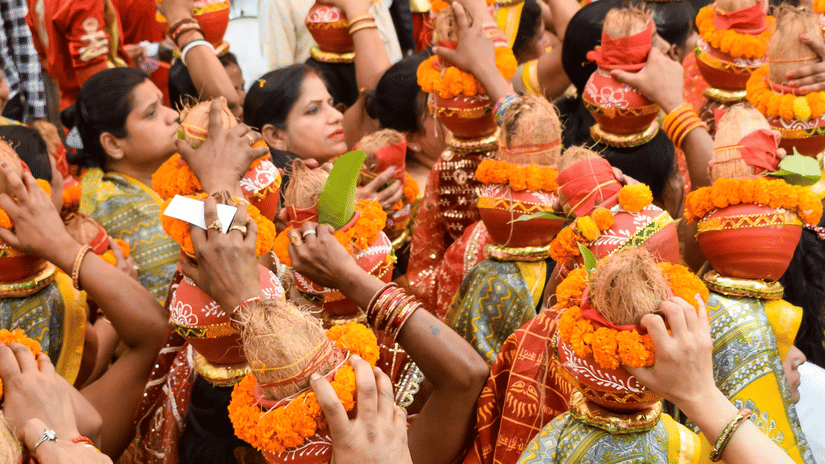
Gangaur opens the festival year each spring, falling across the month of Chaitra between March and April. The festival celebrates the union of Shiva and Gauri (Parvati), and married and unmarried women alike worship the goddess for marital happiness and fidelity. Worship continues through the month, building toward a climax on its 18th day, when the celebration moves from home shrines into the street.
Jaipur's version of Gangaur is a royal one, organised by the Department of Tourism and the City Palace, and is among the city's most celebrated events. Starting from the City Palace, it passes through Tripolia Bazaar, Chhoti Chaupar, and Gangauri Bazaar before concluding at Chaugan Stadium. Decorated elephants, traditional palanquins, folk performances, and musicians transform the streets into a vibrant celebration of Rajasthan's royal heritage.
Holi in the Pink City
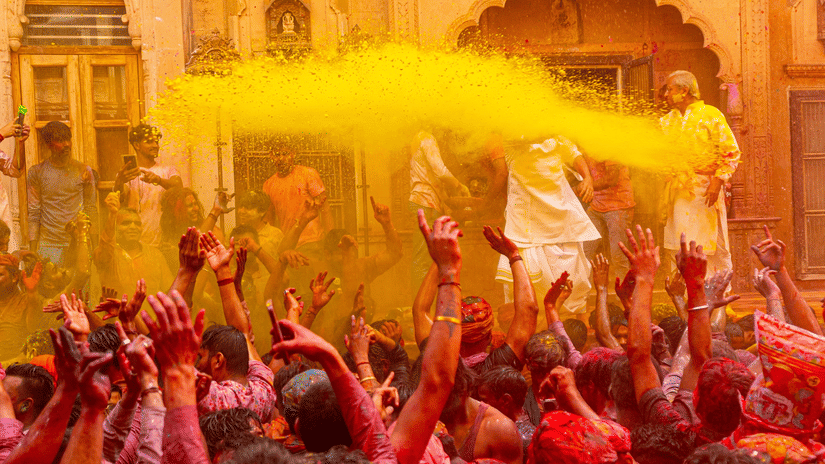
Holi arrives on the full moon of Phalguna, usually in February or March, and unfolds over 2 connected days. The evening before is Holika Dahan, when bonfires are lit across neighbourhoods to mark the triumph of good over evil. The following morning is Dhulandi, the colour-throwing celebration most visitors picture when they hear the festival's name.
In Jaipur, the old city's bazaars and havelis fill with colour from early morning, with many families gathering at temples before the streets turn playful. Hotels and clubs across the city often host their own colour parties for guests who would rather celebrate somewhere calmer than the open street.
Teej & the Royal Procession Through the Old City
Teej arrives with the first rains of monsoon, typically in July or August, and marks the reunion of Shiva and Parvati after their long separation. Women mark the day by decorating swings and dressing in green, giving Teej its popular nickname: the swing festival. In 2026, Teej falls around 14 and 15 August, though the exact date shifts each year with the lunar calendar.
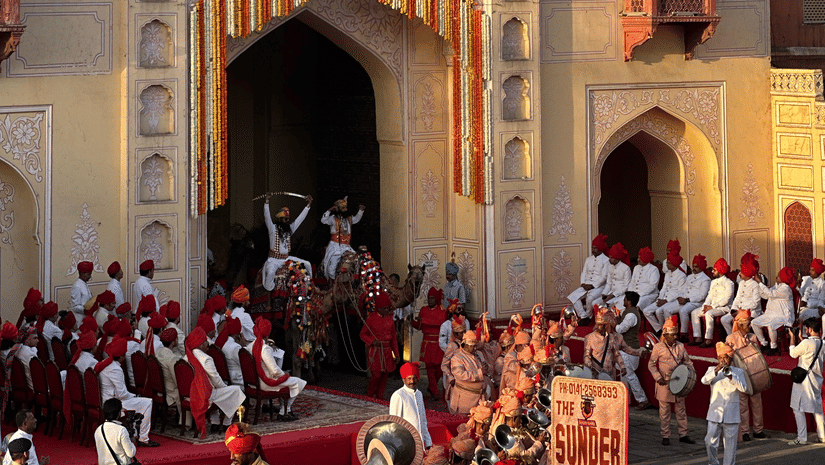
In Jaipur, the Department of Tourism organises the occasion as a formal event known as the Teej Mata procession. It begins at Tripolia Gate, where an idol of Teej Mata is carried through the old city in a golden palanquin, accompanied by elephants, camels, and horses.
Navaratri Nights in Jaipur
Navaratri spans 9 nights dedicated to the 9 forms of Durga, commemorating her victory over the demon Mahishasura. The festival falls in the month of Ashwin, landing around 11 to 19 October in 2026. Temples across Jaipur see a steady flow of worshippers through this period, with each day linked to a different form of the goddess.
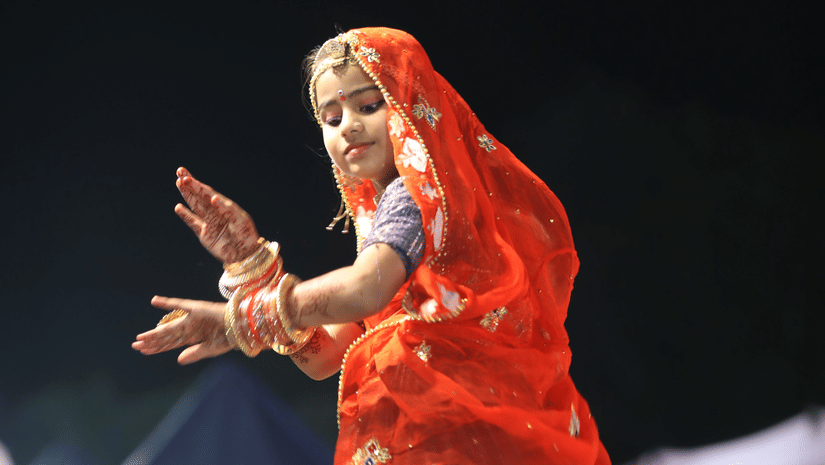
Garba and dandiya nights are widely known as a Gujarati tradition, but Jaipur's hotels and clubs have picked up the custom in recent years, hosting their own dance evenings through the festival. It sits alongside the older temple worship rather than replacing it, giving visitors 2 different ways to experience the same 9 nights.
Dussehra and the Fairs and Festivals of Rajasthan
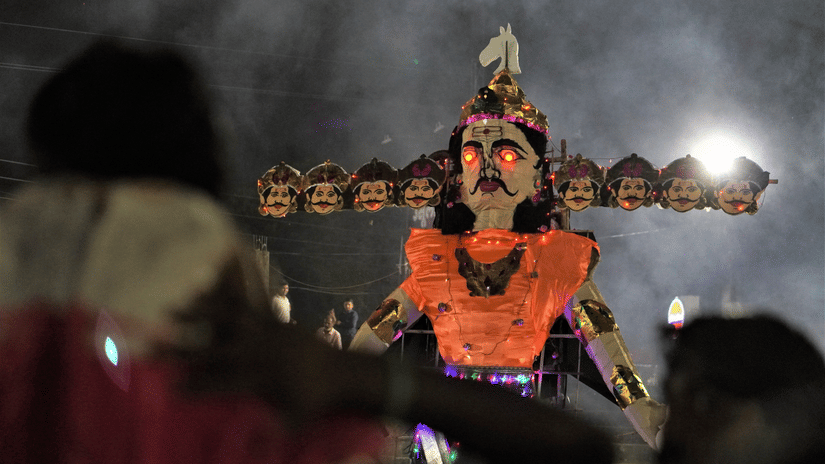
Dussehra falls the day after Navratri ends, marking Rama's victory over Ravana, and lands on 20 October in 2026. Jaipur marks the day mainly through Ram-Leela performances and effigy burning at neighbourhood grounds, rather than one large citywide event.
The bigger, more theatrical version associated with the wider fairs and festivals of Rajasthan takes place further south in Kota, where a Dussehra mela dating back to 1723 draws crowds from across the state.
Diwali and Jaipur's Market Lights
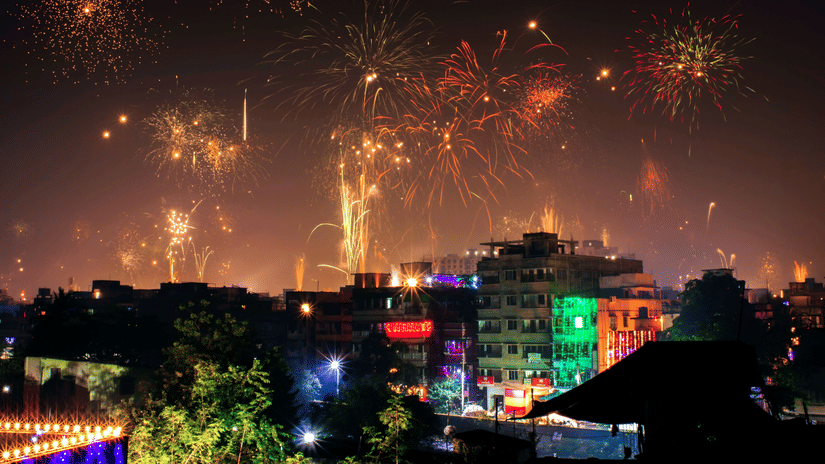
Diwali falls on the new moon of Kartik, usually landing somewhere in October or November depending on the lunar calendar. The festival marks the return of light over darkness, and Jaipur's old city takes this literally, with diyas and string lights strung across bazaars, havelis, and temple courtyards. Fireworks fill the sky over the old city for several nights around the main day.
Makar Sankranti and Jaipur's Rooftop Celebrations
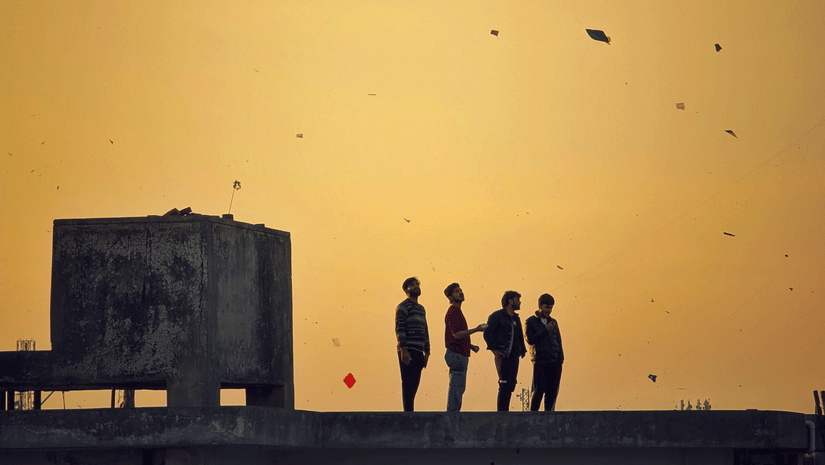
Makar Sankranti, celebrated on 14 January each year, marks the sun's transition into Capricorn and the beginning of longer days. In Jaipur, the festival is best known for its vibrant skyline, as families and friends gather on rooftops to fly colourful kites from morning until sunset. The city buzzes with festive music, friendly kite-flying competitions, and traditional delicacies such as til ke laddoo and gajak, creating a lively atmosphere across neighbourhoods.
Unlike many Hindu festivals that follow the lunar calendar, Makar Sankranti falls on the same date every year, making it one of the easiest festivals in Jaipur to plan a visit around. Experiencing the city's rooftops, local traditions, and festive spirit offers a unique glimpse into one of Rajasthan's most cherished seasonal celebrations.
The Jaipur Literature Festival at Clarks Amer
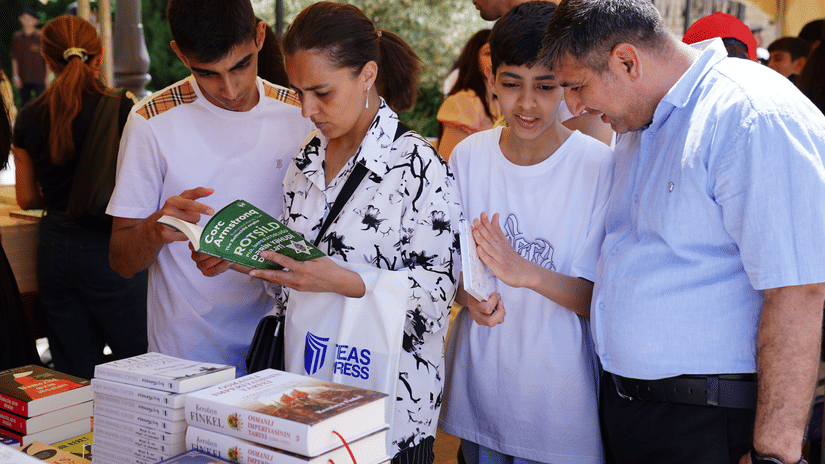
The Jaipur Literature Festival closes out the year each January, typically running for 5 days in the middle to later part of the month. Founded in 2006 by Namita Gokhale and William Dalrymple, it has grown into one of the largest cultural events in Jaipur, drawing authors, historians, and readers from across the world for talks, panels, and readings held over open lawns and multiple stages.
Since its move to a larger venue, the festival has been hosted inside the grounds of Clarks Amer, with sessions running across the property's lawns and indoor spaces through the day. For anyone visiting Jaipur specifically for JLF, staying where the sessions actually happen removes the need to plan around traffic or shuttle timings between a hotel and the venue.
Festive Food and Shopping in Jaipur
Every festival in Jaipur comes with its own food and shopping rush, often more anticipated than the ceremony itself. Sweet shops in the old city work through the night ahead of Teej and Diwali, while the bazaars fill with the season's textiles, jewellery, and gifting items. A few stops are worth building into any festival-timed visit.
- Festive Sweets: Ghevar appears everywhere around Teej and Gangaur, a disc-shaped sweet soaked in sugar syrup that is difficult to find outside the monsoon season
- Bazaars and Textiles: Textile and jewellery markets in the old city see their busiest trade in the weeks before Diwali and Gangaur, when shopping for new clothes becomes part of the ritual
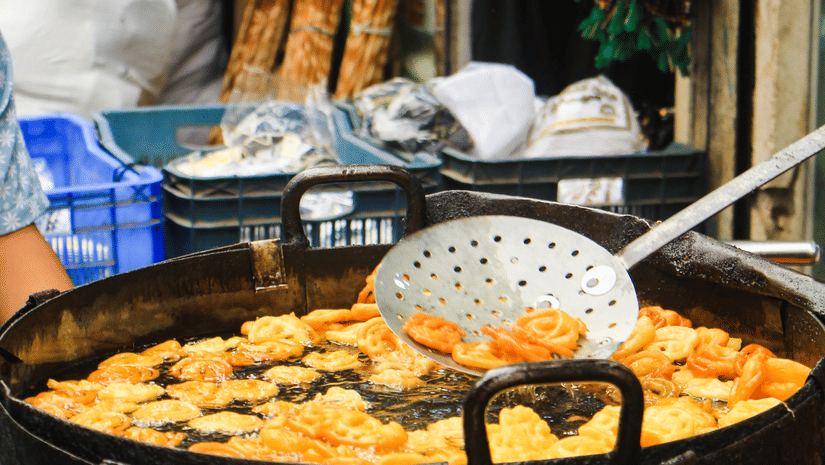
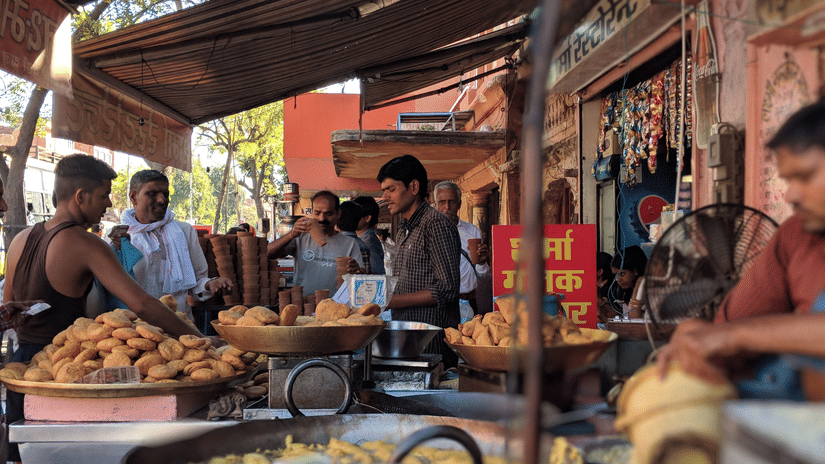
- Street Food Stalls: Kachori and pyaaz ki sabzi vendors near temple routes do brisk business on procession days, feeding the crowds gathered for Gangaur and Teej
- Handicrafts and Gifting: Blue pottery and block-printed textiles, both Jaipur specialities, sell fastest in the run-up to Diwali as gifts
The city's festive markets and local cuisine offer an authentic glimpse into Jaipur's culture. Combine your celebrations with Jaipur sightseeing for a complete travel experience.
Where to Stay for Festival Season: Clarks Amer
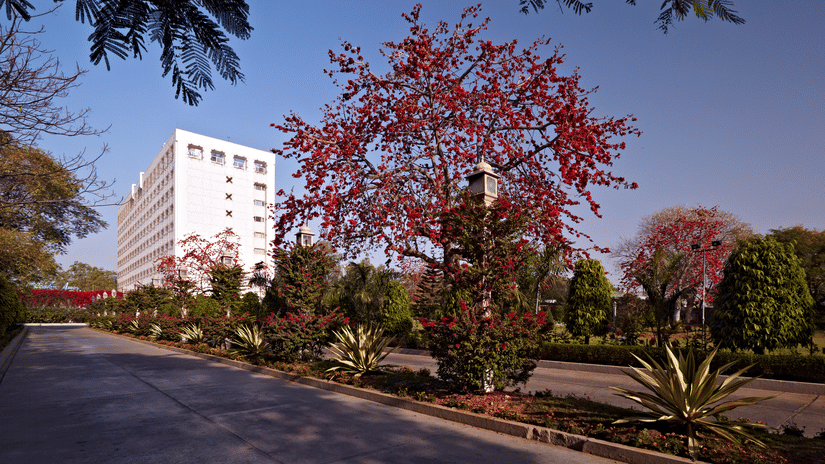
Clarks Amer, Jaipur, sits on Jawahar Lal Nehru Marg, located close enough to the airport, at approximately 2.5 km, to work as a festival-season base without adding much travel time on either end. From here, the old city's procession routes, including the Tripolia Bazaar stretch that Gangaur and Teej both pass through, are a short drive rather than a cross-town journey.
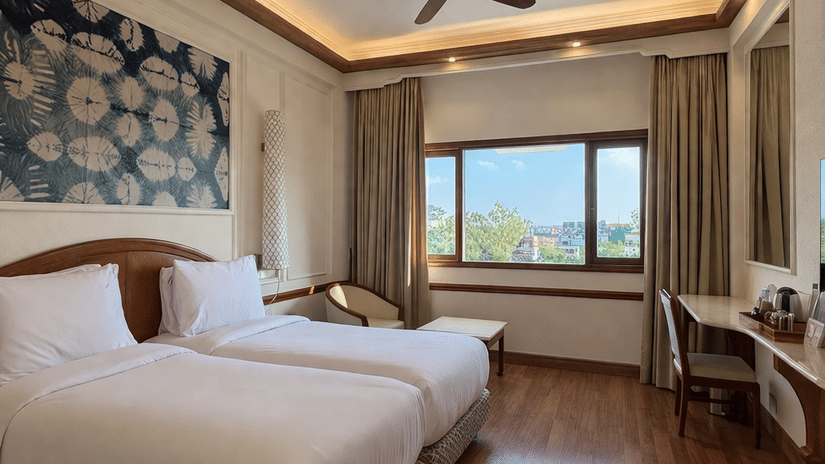
Since our hotel now hosts the Jaipur Literature Festival each January, our lawns and indoor spaces already know how to handle a large crowd, and that same readiness carries over to Teej, Diwali, and Navratri. Rooms are air-conditioned and quiet enough to recover in after a day spent following a procession through the old city's narrower lanes.
Evenings are best spent at taBLU, our rooftop bar with its Mediterranean-inspired blue and white theme, or at Goose, where the signature laal maas suits a festival appetite better than a light dinner would. Both outlets sit within the property, so a festival day that starts at Tripolia Gate can end without another taxi ride.
Festival season books out fast in Jaipur, and rooms here are no exception around Teej, Diwali, and JLF week. Booking a stay at Clarks Amer directly, well ahead of any of these dates, is the safer way to avoid missing out.