The History of Nahargarh Fort
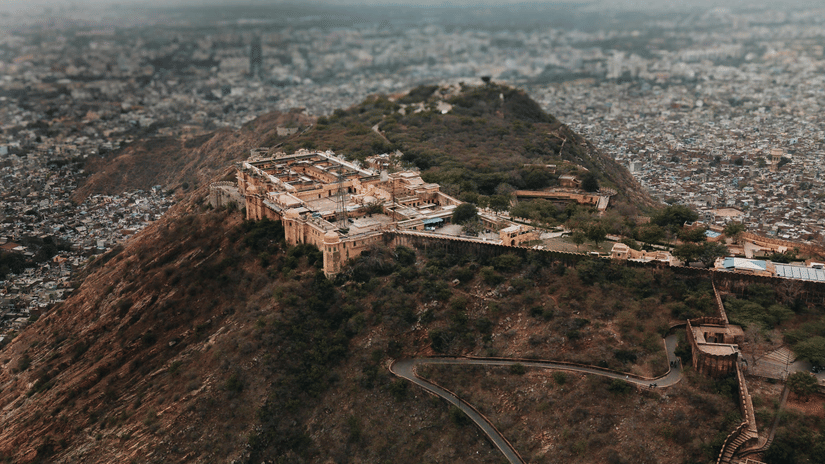
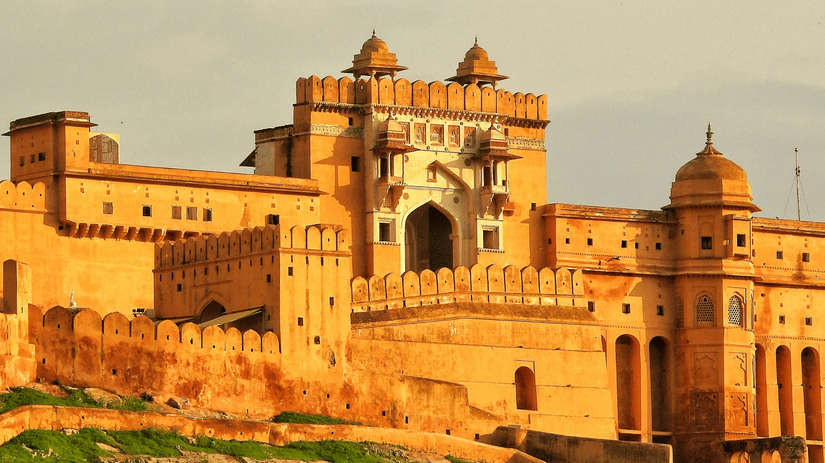
The history of the fort begins with a legend tied to the land itself. When Maharaja Sawai Jai Singh II ordered construction in 1734, work was repeatedly disrupted, which locals attributed to the restless spirit of a Rathore prince named Nahar Singh Bhomia, who had died on that site. Construction resumed only after a shrine was built within the fort to honour his memory. The fort was subsequently named Nahargarh, meaning ‘Abode of Tigers’, a name some historians connect directly to the prince rather than to wildlife. Originally conceived as a defensive retreat and a strategic position protecting the walled city of Jaipur, the fort was extended significantly in 1868 by Maharaja Sawai Ram Singh II and later by Maharaja Sawai Madho Singh II.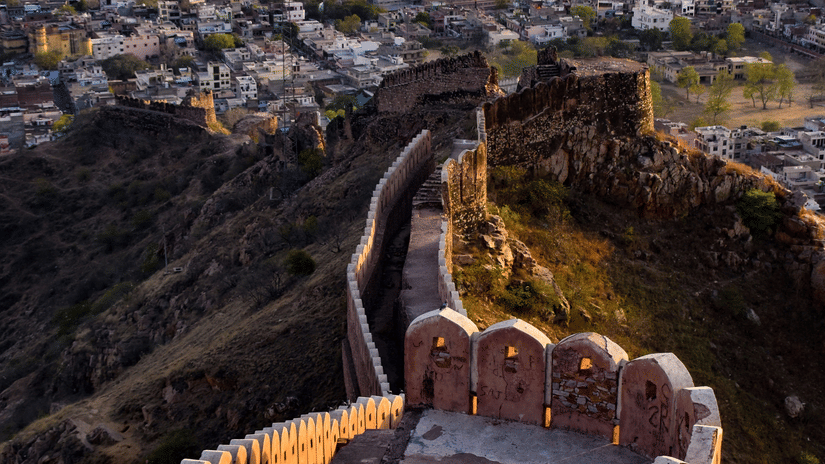
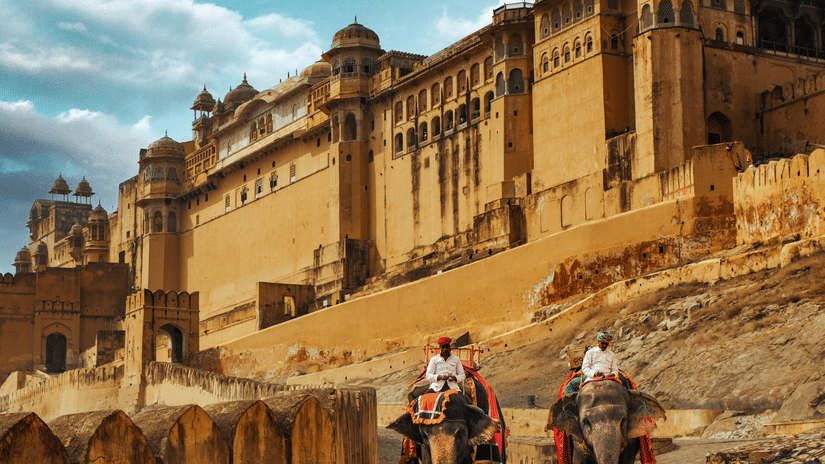
Alongside Amer Fort and Jaigarh Fort, Nahargarh formed a defensive arrangement around the city, though it was never attacked or captured throughout its history. Its purpose shifted over time from military function to a pleasure retreat favoured by the Jaipur royal family. The fort’s connection to Jaipur’s royal past extends beyond architecture. It served as a refuge for European women and children during the Sepoy Mutiny of 1857, a detail that underscores how central Nahargarh was to the city’s administration and protection through multiple periods of political turbulence.
Architecture & Key Attractions Inside the Fort
Nahargarh Fort’s outer walls are rugged and purposeful, built to follow the natural contours of the Aravalli ridgeline. The interior tells a different story. The most architecturally significant section is Madhavendra Bhawan, a suite of rooms built by Maharaja Sawai Madho Singh II as quarters for the royal women of the court. Each room opens onto a shared central corridor and courtyard, with wall paintings, arched doorways, and a ventilation system that kept the interiors cool through Rajasthan’s punishing summers.
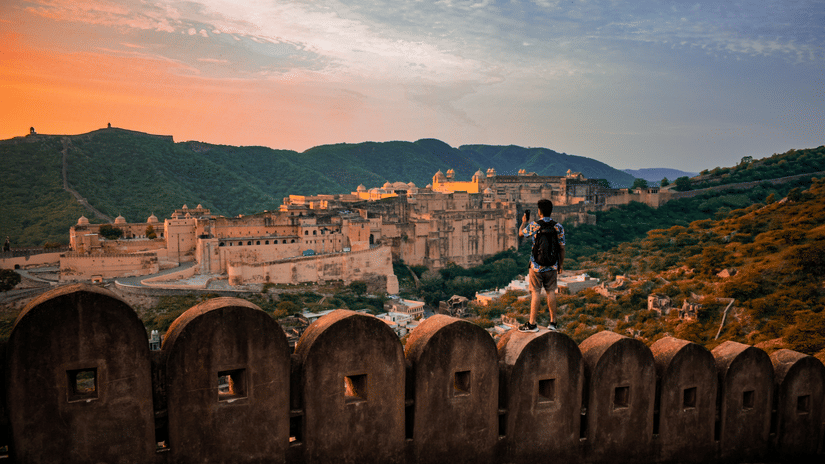
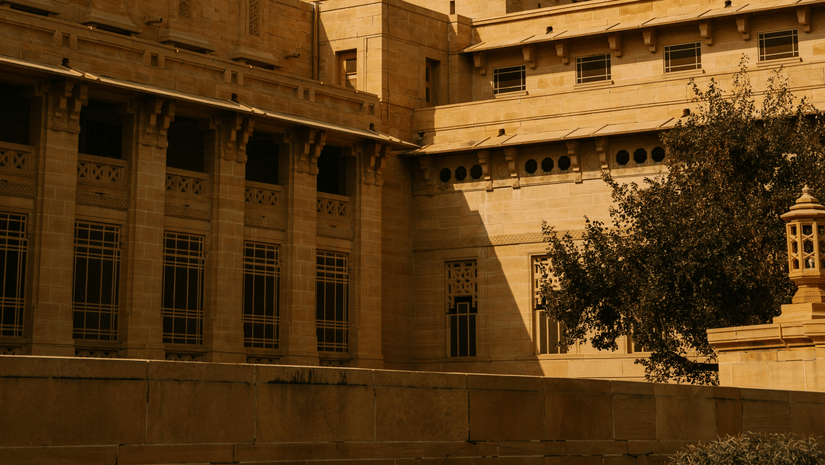
Beyond Madhavendra Bhawan, the fort’s layout includes terraced walkways that climb progressively higher along the ridge, watchtowers, a stepped well (baoli), small temples, and administrative remnants from different construction phases. The fort’s ramparts extend for several kilometres along the hill’s spine. Most visitors explore the central compound around Madhavendra Bhawan and the main upper viewpoint terrace, which requires a 10 to 15-minute walk from the entrance. The entire compound rewards unhurried exploration rather than a quick pass-through.
Jaipur Wax Museum Nahargarh Fort
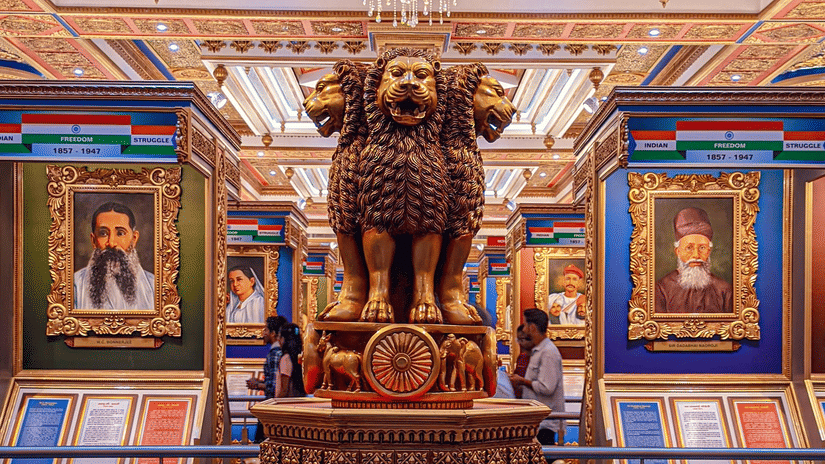
One of the most visited attractions within the fort complex is the Jaipur Wax Museum, a separately ticketed facility that opened in 2016 and has since become a standard stop on most Nahargarh itineraries. Located inside the fort premises, the museum displays hyper-realistic wax figures of historical leaders, freedom fighters, Bollywood actors, cricketers, and international figures, including representations of Mahatma Gandhi, A. P. J. Abdul Kalam, Sachin Tendulkar, and Amitabh Bachchan, among others. The museum is air-conditioned, which makes it a practical stop before or after exploring the fort’s open terraces, particularly during warmer months.
- Timings: 10:00 AM to 5:30 PM daily
- Estimated Visit Duration: 45 minutes to 1 hour
- Photography: Allowed
- Ticket price for Indian nationals: Approximately INR 500 per person
- Ticket price for Foreign nationals: Approximately INR 700 per person
The ticket generally includes combined access to the museum and the Sheesh Mahal section within the complex.
Note: Ticket prices and timings are subject to change. It is advisable to check the latest updates before planning your visit.
Entry Fees
The fort entry fee varies by visitor category and is subject to periodic revision. The approximate current rates are as follows:- Indians: Approximately INR 50 per person. Confirm at the ticket counter before entering, as rates are subject to periodic revision.
- Foreigners: Approximately INR 200 per person.
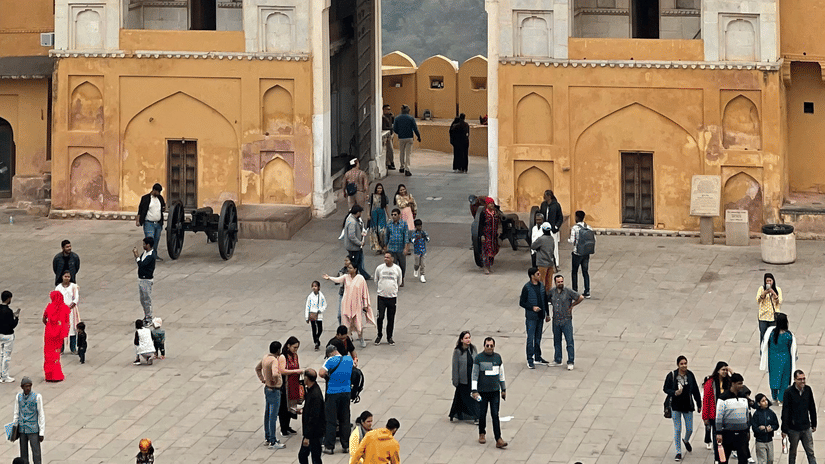
Fort Timings
- Daytime hours: The fort is generally open from 10:00 AM - 5:30 PM daily.
- Evening access: Limited evening access may be available on select days for visitors planning the sunset or night view experience. Verify current hours at the gate or directly with the fort management before visiting.
Practical Tips
- Recommended Duration: Allow 2 to 3 hours for the fort alone; 3 to 4 hours if combining with the wax museum.
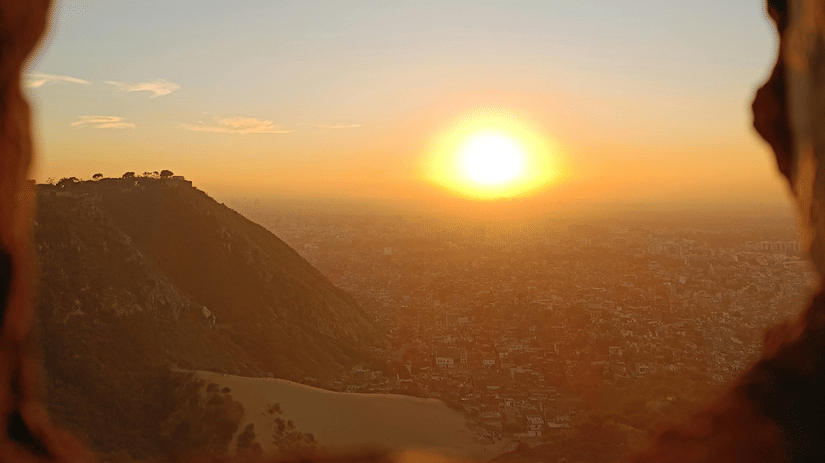
- Best Time for Sunset Views: Arrive by 4:30 PM to secure a position on the upper terrace before the light changes. The western-facing terrace offers the clearest sightlines over the city.
- Footwear: Wear sturdy, closed footwear.
- Water: Carry at least 1 litre per person.
- Guides: Audio guides and local guides are available near the main entrance.
Nahargarh Fort Night View and Sunset Experience
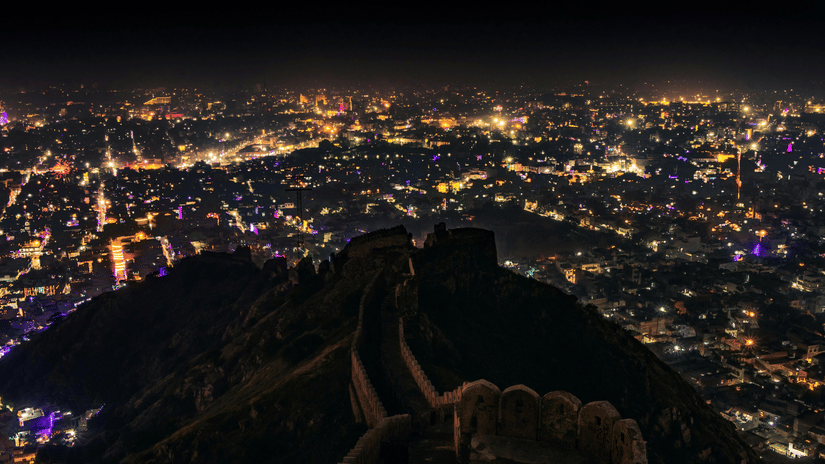
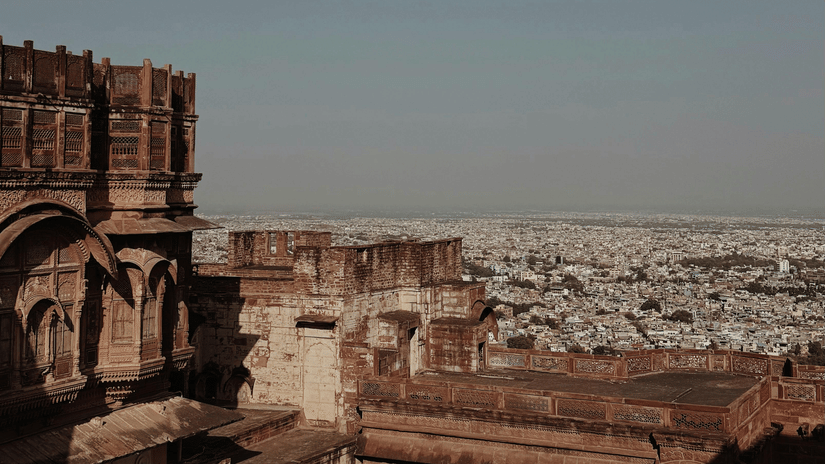
From the fort’s upper ramparts, the view across Jaipur is one of the most expansive in Rajasthan. As daylight fades over the Aravalli ridge, the city below transforms steadily, with amber street lights tracing the old road network, illuminated monuments punctuating the skyline, and the glow of the walled city spreading across the plain. On clear evenings, the lit outline of Jaigarh Fort is visible along the same ridge to the north-east, and the bulk of Amer Fort shows to the north-east beyond it. The Nahargarh Fort night view draws the largest crowds to the upper terrace, so arriving by 4:30 PM is advisable for good positioning before the golden hour begins.
For those staying through dusk, evening access allows visitors to remain after dark. Several visitors pair the experience with a meal at the restaurant and bar operating within the fort complex, where the illuminated city provides a backdrop through the evening. Photographers specifically find the 30-minute window just after sunset useful, when the sky retains colour, and the city lights below are fully visible. Long-exposure shots from the ramparts with the old city in the foreground are among the most popular compositions taken from the fort.
Best Time to Visit Nahargarh Fort
- Winter (October to March): The most comfortable season for exploring Nahargarh Fort, with pleasant temperatures and clear views across Jaipur. December and January are especially popular for photography and sunset visits.
- Summer (April to June): Temperatures rise sharply through the day, so early mornings between 10:00 AM and 12:00 PM or late afternoons before sunset are the most manageable times to visit.
- Monsoon (July to September): Rainfall makes the stone pathways slippery, but the Aravalli hills turn lush green, creating dramatic landscapes and atmospheric views for photography.
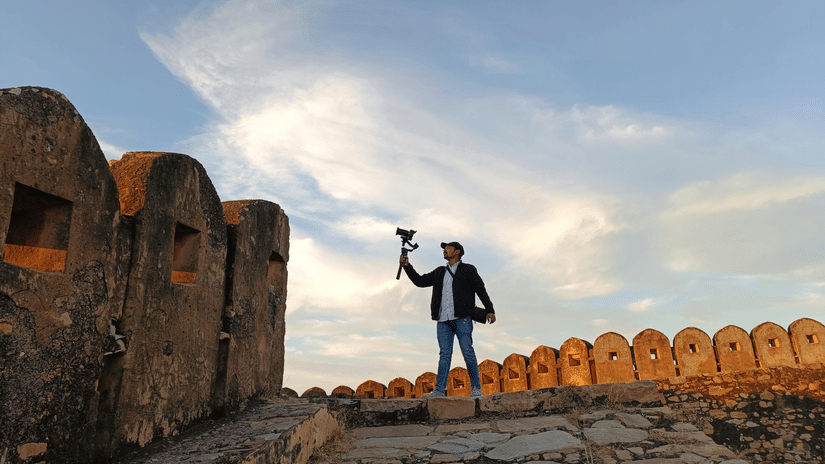
- Photography Tip: Winter evenings, especially during the hour before sunset, offer warm natural light and clearer views, while summer and monsoon mornings shortly after opening provide softer light and pleasant conditions for photography.
Nearby Attractions
- Jaigarh Fort: Located approximately 3 km from Nahargarh Fort on the same Aravalli ridge and connected to Amer Fort by a covered passage, Jaigarh houses the Jaivana, the world’s largest cannon on wheels.
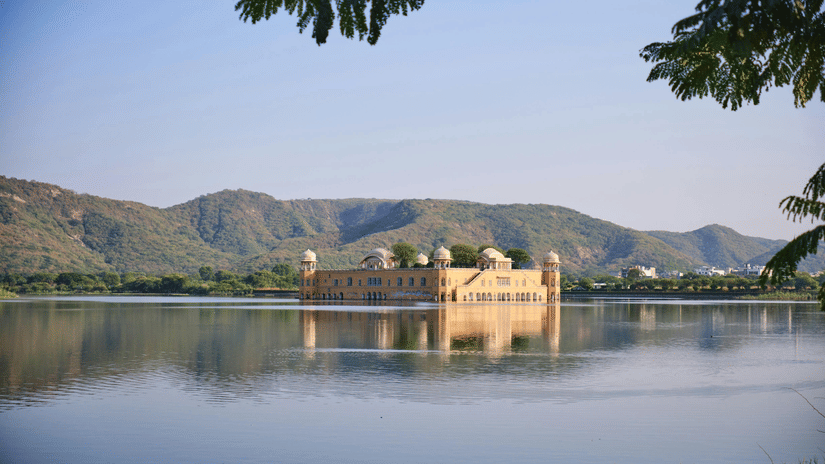
- Jal Mahal: Approximately 6 km from Nahargarh, Jal Mahal rises from the centre of Man Sagar Lake. The palace interior is not accessible to visitors, but the lakeside road and promenade offer clear views and a natural stop between the hill forts and the city centre.
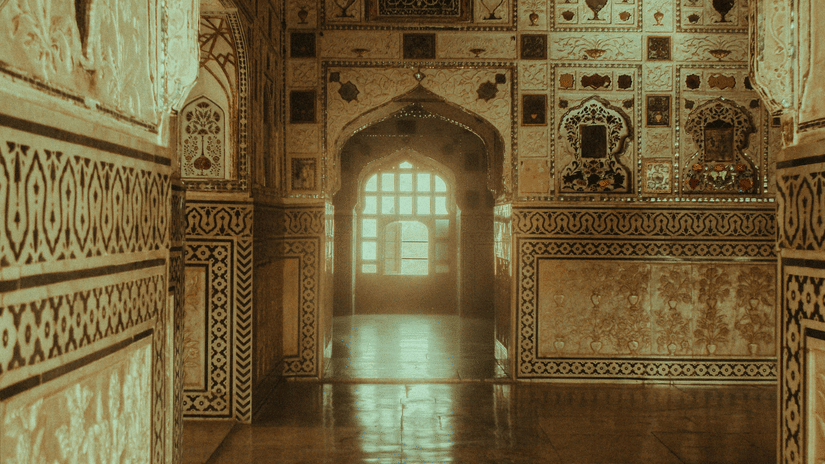
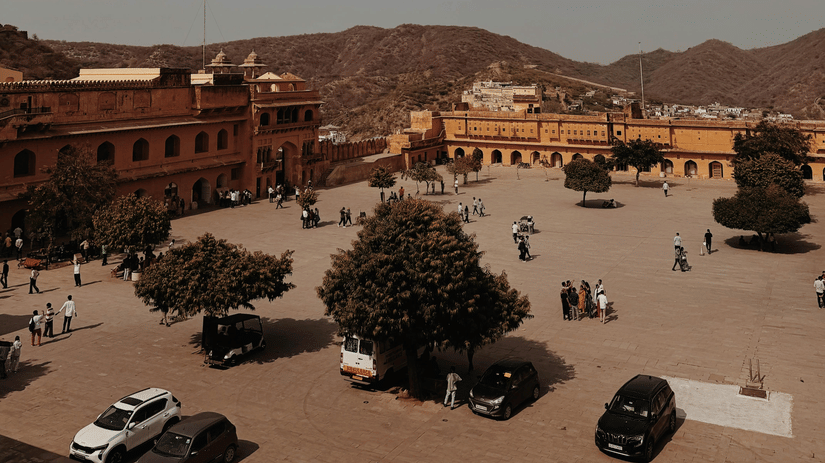
- Amer Fort: Approximately 11 km from Nahargarh, Amer Fort is the most architecturally elaborate of Jaipur’s forts. Its Sheesh Mahal, Ganesh Pol, and Diwan-e-Aam draw visitors for the intricate Mughal-Rajput detailing.
Where to Stay When Exploring Nahargarh Fort & Jaipur
After a day on the fort circuit, the quality of your base in Jaipur matters. Clarks Amer, Jaipur, a 5-star property on Jawahar Lal Nehru Marg, is well positioned for travellers who want to cover Nahargarh, Amer, Jaigarh, and the old city without spending the day in transit. Nahargarh Fort is approximately a 25-minute drive from the hotel, while Amer Fort and Jal Mahal are both reachable within 20 minutes. Our rooms and suites cover a practical range, from well-appointed Superior Rooms to Club Rooms with a larger double bed, through to the city’s only Penthouse Suites.
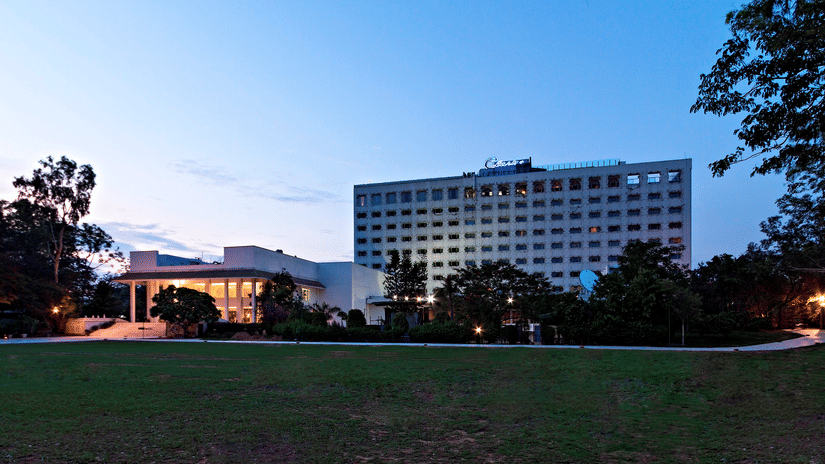
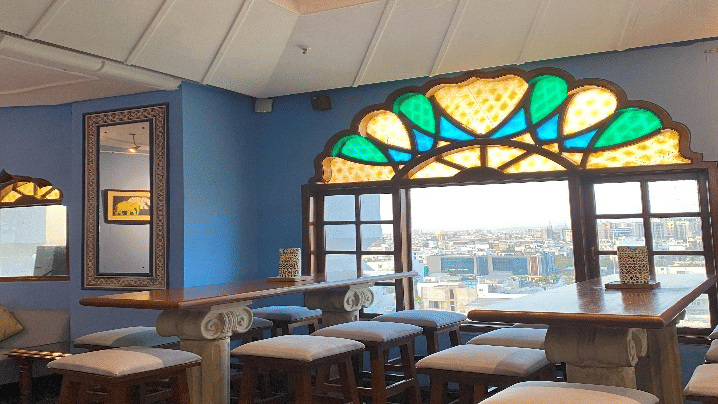
The property’s swimming pool gives guests a straightforward way to reset after a full day on stone terraces and ridgeline ramparts. For dining, Goose serves à la carte through to midnight, Zolocrust operates 24/7 as a live bakery and pizzeria, and the rooftop taBLU bar is open from 6:00 PM to 1:00 AM for those who want to extend the evening. For travellers exploring Jaipur’s forts, palaces, and old city, the combination of central access, comfortable rooms, and reliable dining makes Clarks Amer, Jaipur a practical and well-connected stay.
Nahargarh Fort: A Fort Worth the Climb
This fort rewards visitors who treat it as more than a quick viewpoint stop. The history of the fort stretches across three centuries of royal activity, defensive planning, and architectural evolution, all of it readable in the fort’s layered construction. The sunset and night experience, the wax museum, and Madhavendra Bhawan together make it a genuinely multi-interest destination, strong enough to anchor a morning or a full afternoon rather than a brief detour. Plan for October to March if the calendar allows, give yourself at least half a day, and pair the visit with Amer and Jaigarh for the full ridge picture. For travellers who want a comfortable and well-connected base while doing so, Clarks Amer, Jaipur, sits within easy reach of the fort circuit and covers the essentials.